New Study Reveals Key Brain Neurons Boosting Endurance, Paving Way for Potential Exercise Enhancements
February 12, 2026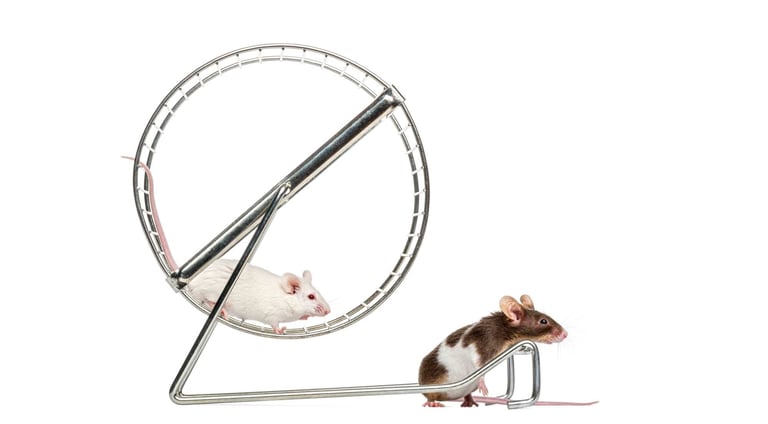

The research was published in 2025 in the journal Neuron.
Blocking SF1 neuron activity, especially after exercise, prevents endurance gains, showing these neurons are necessary for training-induced endurance improvements.
Researchers acknowledge the invasive nature of optogenetics in the study and note that non-invasive methods would be needed for human applications.
The team suggests future noninvasive approaches, such as drugs or supplements, could selectively activate these neurons to boost endurance without relying on invasive techniques.
The findings point to potential therapies for people unable to exercise—like stroke patients—by targeting brain pathways that regulate endurance and energy use, though no drug would replace physical activity.
Funding for the work came from institutions including the University of Pennsylvania, NIH, NSF, NRF Korea, Rhode Island entities, and Providence College.
The study, published in Neuron, underwent full journal review and was accompanied by editorial context from Neuroscience News.
Future work will explore how central and peripheral signals interact, whether there are age- or health-dependent critical periods for brain contributions to training, and how brain plasticity relates to individual responsiveness to training.
While the findings raise the possibility of drugs or supplements to enhance endurance in humans, translation is uncertain and must address safety concerns, including risks like hypoglycemia from excessive neuronal activation and potential side effects beyond endurance.
Activation of these neurons produced dramatic endurance gains in mice, but applying this to people remains uncertain and must contend with safety and ethical considerations.
A study in mice identifies SF1-receptor neurons in the ventromedial hypothalamus that become more active with running and show increasing engagement with more days of exercise, suggesting brain activity tracks muscle adaptations during endurance training.
Scientists used optogenetics to inhibit these VMH SF1 neurons during a three-week treadmill program, which reduced endurance gains by about half, indicating these neurons help drive endurance improvements via energy management and fuel utilization.
Summary based on 8 sources
Get a daily email with more Science stories
Sources
Nature • Feb 12, 2026
Exercise rewires the brain — boosting the body’s endurance
New Scientist • Feb 12, 2026
Endurance brain cells may determine how long you can run for
New Scientist • Feb 12, 2026
Your brain may play a key role in how long you can exercise
ScienceAlert • Feb 12, 2026
Scientists Discover a Brain Circuit That Enhances Physical Endurance In Mice