Decline in Biodiversity Drives Mosquitoes to Feed More on Humans, Raising Disease Risks in Brazil
January 15, 2026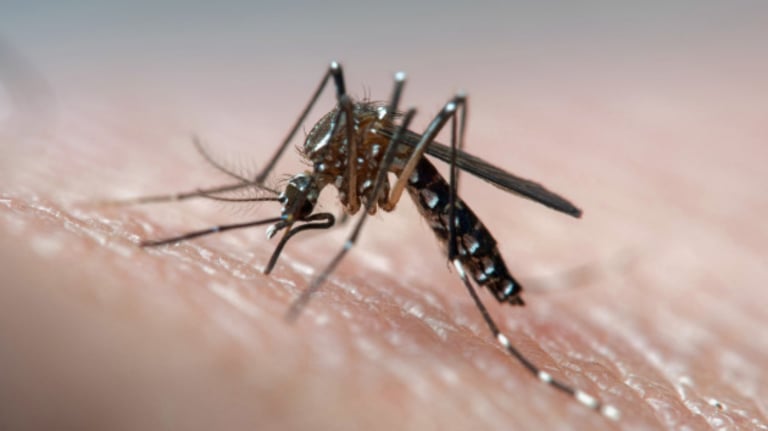

A Brazilian study finds Atlantic Forest mosquitoes increasingly feed on humans as biodiversity declines, raising potential health implications due to disease transmission.
Researchers collected mosquitoes with light traps across two nature reserves, identifying 52 species and finding human DNA in 18 samples from 24 blood-engorged females, making humans the largest single blood source among hosts examined.
Host choice in mosquitoes is influenced by innate preferences, host availability, and proximity to humans, with deforestation and habitat loss pushing more feeding toward people.
The study notes a low engorgement rate (about 7%) and that only around 38% of blood meals were identifiable, underscoring the need for more data-rich methods to detect mixed blood sources.
Additional data gaps exist due to a small fraction of captured mosquitoes with visible blood meals and limited ability to identify their sources, highlighting the call for larger, more detailed studies.
Vector-borne diseases account for a significant share of infectious diseases globally, with the WHO noting over 700,000 deaths annually.
Findings can inform targeted surveillance, prevention strategies, and disaster risk mitigation, emphasizing ecosystem balance and biodiversity loss in vector-control policies.
Understanding mosquito foraging can improve ecological and epidemiological models, aiding targeted surveillance and control strategies that consider ecosystem balance.
The evidence could guide practical mosquito control, early warning systems, and long-term ecosystem-conscious strategies for prevention.
Researchers faced practical challenges, including limited entomologists for species identification and DNA/RNA degradation in field samples, yet still detected human blood in several cases.
Public health implications include potential transmission of Yellow Fever, dengue, Zika, and Chikungunya, while acknowledging low engorgement and identification rates that call for improved methods to detect mixed blood meals.
If biodiversity loss continues, there is a higher risk that disease-carrying mosquitoes could become vectors for diseases not previously associated with them, heightening public health concerns.
Summary based on 7 sources
Get a daily email with more Science stories
Sources
Mosquitoes’ thirst for human blood has increased as biodiversity loss worsens • Jan 15, 2026
Mosquitoes’ thirst for human blood has increased as biodiversity loss worsens - Science news
ScienceDaily • Jan 15, 2026
Forest loss is driving mosquitoes’ thirst for human blood
Phys.org • Jan 15, 2026
Mosquitoes' thirst for human blood has increased as biodiversity loss worsens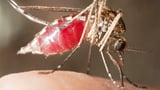
Popular Science • Jan 15, 2026
Without forests, mosquitoes turn to human blood