Rare 'Living Fossil' Coelacanths Filmed Alive, Face Threats from Climate Change and Deep-Sea Tourism
January 17, 2026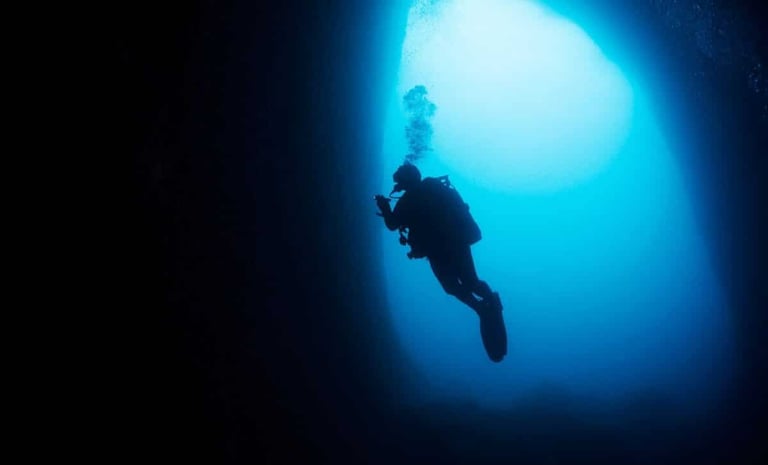

Coelacanths, long believed extinct since the dinosaur era, are now confirmed as two living species: Latimeria chalumnae in the western Indian Ocean and Latimeria menadoensis around Indonesia, carrying ancient features that inform vertebrate evolution.
Divers off the Maluku Islands, Indonesia, captured the first in situ footage of Latimeria menadoensis in its natural deep-water habitat at about 145 meters.
The sightings followed more than 50 dives and two years of seafloor mapping, with two encounters verified by distinctive spot patterns.
There are indications of a possible local population in the Sulawesi to West Papua region, with vast uncharted deep-water areas that may hide additional individuals.
IUCN classifies Latimeria menadoensis as vulnerable due to its extremely slow reproductive cycle, with maturity around five decades and pregnancies lasting up to five years, hindering rapid population recovery.
Rising temperatures, pollution, noise, and increasing deep-sea tourism are putting deep-sea habitats at growing risk, threatening coelacanth populations.
Protecting deep-reef habitats is crucial to conserve this rare, ancient marine vertebrate and to enhance ecological understanding of coelacanths.
Researchers plan non-invasive genetic sampling in the wild to study diversity, movements, and distribution without capturing individuals.
The label 'living fossil' is debated; despite ancient traits, coelacanths continue to evolve slowly and offer insights into the sea-to-land transition.
Summary based on 1 source
Get a daily email with more Life Sciences stories
Source
The Daily Galaxy - Great Discoveries Channel • Jan 17, 2026
Divers Capture Rare Footage of a “Living Fossil” 145 Meters Below the Surface