Breakthrough: Gut Cells Trigger Appetite Suppression During Infection, Revealing New Treatment Avenues
March 25, 2026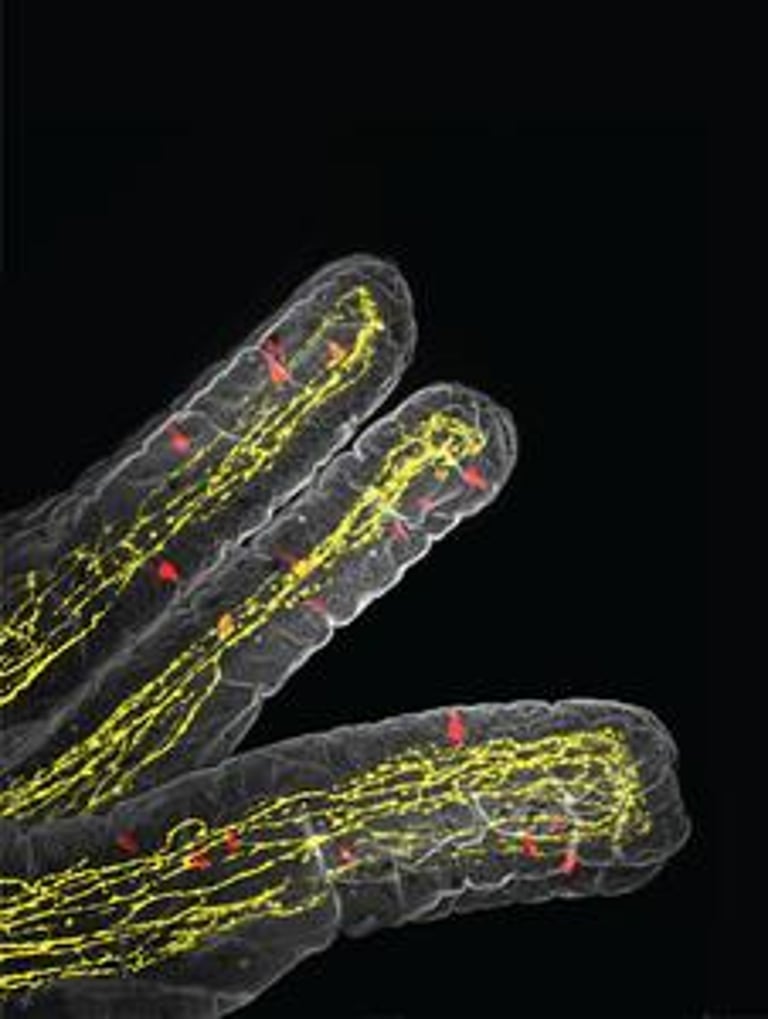

The study shows causality: mice lacking tuft-cell acetylcholine signaling do not reduce food intake during infection, linking tuft cell activity directly to appetite suppression.
The Nature paper credits collaboration with Stuart Brierly’s lab at the University of Adelaide, with Koki Tohara as the first author and Julius and Locksley as co-senior authors.
The work highlights a broader principle of gut-immune–nervous system communication shaping behavior during infection, contributing to the Nature report by Touhara et al. that involves UCSF in its context.
The findings could explain symptoms of parasitic infections and point to new treatments for gut-related conditions like irritable bowel syndrome, food intolerances, and chronic visceral pain by targeting tuft cell signaling.
By revealing a gut-brain signaling mechanism, the study suggests broader therapeutic targets beyond infections, potentially addressing IBS, food intolerances, and visceral pain.
Tuft cells detect parasites and release acetylcholine, which prompts enterochromaffin (EC) cells to release serotonin, activating vagal nerve fibers that signal the brain to reduce food intake.
In isolated cultures, tuft cells release ACh via TRPM5-dependent pathways, and during type 2 inflammation they also release ACh constitutively through a sustained, IL-4–induced leak-like mode that is non-TRPM5–dependent, indicating two release phases.
The findings were published in Nature on March 25, 2026, led by UCSF researchers including co-senior authors David Julius and Richard Locksley, with collaboration from the University of Adelaide.
IL-25–induced inflammation elevates Fos in vagal brainstem nuclei (nucleus of the solitary tract) via EC cell signaling, engaging a distinct nTS neuron subset from canonical nausea circuits.
Acute ACh release from tuft cells activates neighboring crypt-residing EC cells through muscarinic receptors (Chrm3), triggering substantial serotonin release that then engages 5-HT3 receptors downstream.
Summary based on 5 sources
Get a daily email with more Science stories
Sources
Nature • Mar 25, 2026
Parasites trigger epithelial cell crosstalk to drive gut–brain signalling
EurekAlert! • Mar 25, 2026
How the immune system triggers a loss of appetite
GEN - Genetic Engineering and Biotechnology News • Mar 25, 2026
Parasites Prompt Gut-Brain Communication to Trigger Appetite Loss
SciTechDaily • Mar 25, 2026
Scientists Just Found Why You Suddenly Lose Your Appetite When Sick