Breakthrough in Synthetic Alkaloid Production: Tobacco Plants Engineered to Produce Medical Compounds
August 3, 2026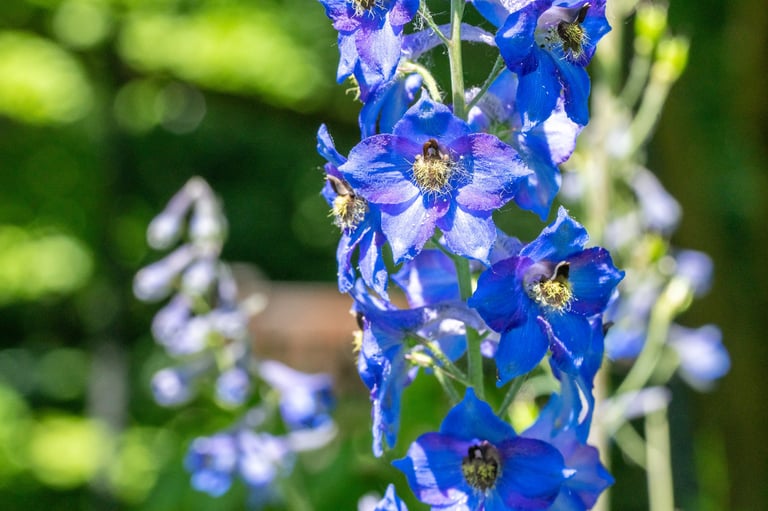

Researchers engineered tobacco and other hosts to produce atisinium, a diterpenoid alkaloid, using six key enzymes and a nitrogen-adding step, marking a major advance toward lab synthesis and sustainable production for medical research.
The study maps how the six enzymes assemble the molecule, with the DAS enzyme integrating nitrogen—an unexpected role that finalizes the toxin’s core structure.
Collaborators from Michigan State University and the Czech Academy of Sciences trace the biosynthetic genes across plant tissues to replicate the wolfsbane and larkspur pathways in lab settings.
Across wolfsbane and larkspur, researchers identify a conserved six-step biosynthetic route to toxic diterpenoid alkaloids that hold potential for pain relief, cancer treatment, and malaria therapies.
The project aims to decipher the biosynthetic assembly line and enable production in engineered hosts like yeast or tobacco to scale up testing of the compounds.
Published in Molecular Plant on August 3, 2026, the work includes disclosures about funding and collaborations that underpin the study.
This plant-to-biofactory approach seeks to bypass limited natural yields, enabling sustainable production of plant-derived molecules that could inspire new medicines.
By screening thousands of genes, researchers pinpoint six pivotal enzymes and insert them into tobacco plants to create living biofactories for the pathway.
A nitrogen source in these alkaloids comes from ethanolamine, not ethylamine as once thought, confirmed through feeding experiments.
Tobacco-based experiments reconstituted part of the pathway, producing atisinium, an interim with anti-malarial activity, demonstrating feasibility without wild-root harvests.
The team’s broader goal is to map the full pathway to replicate aconitine and related alkaloids, while acknowledging some steps remain predictive pending further validation.
Despite millions of years of evolution, wolfsbane and larkspur share a six-step biosynthetic pathway, indicating a conserved mechanism across species.
Summary based on 4 sources
Get a daily email with more Science stories
Sources
unb.com.bd • Aug 4, 2026
Deadly poisonous flowers may help develop new medicines, scientists find
Earth.com • Aug 1, 2026
Deadly plants could inspire a new generation of natural medicines
StudyFinds • Aug 3, 2026
Two Deadly Flowers May Hold The Key To New Medicines, Scientists Find