REDCAT: Revolutionizing Lymphoma Research with Subcellular, Multi-Omic Metabolic Mapping
August 27, 2026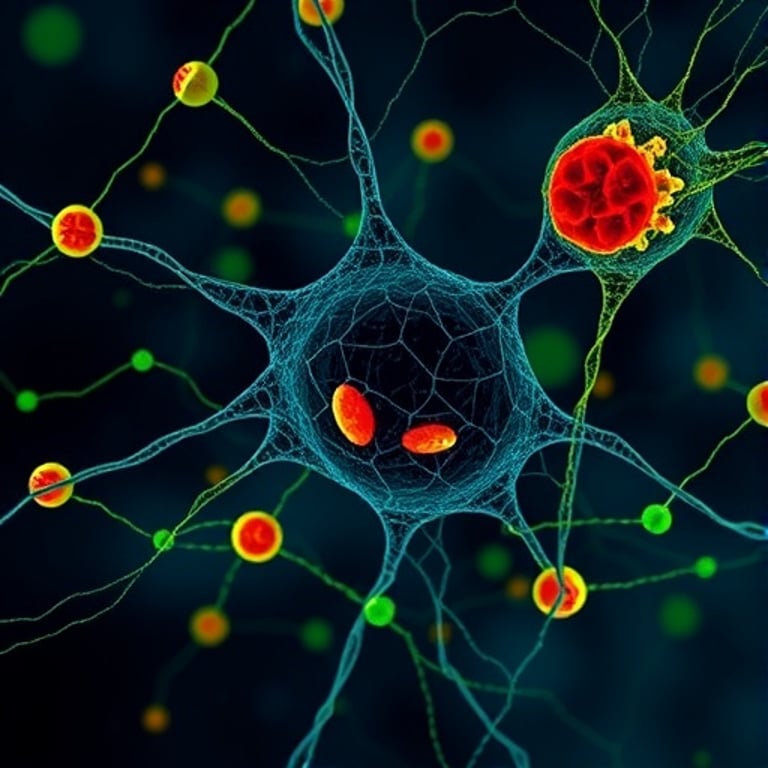

REDCAT is an all-optical, multimodal platform that maps metabolic activity together with cell identity in intact tissues at single-cell and subcellular resolution, enabling functional histopathology.
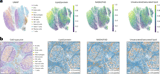
In lymphoma and normal lymph nodes, REDCAT reveals intratumoral heterogeneity and distinct metabolic programs, including lipid-redox remodeling, offering a window into immune physiology and tumor metabolism.
Overall, REDCAT provides submicron-resolution, multi-omic maps linking metabolism to precise cell identity, with potential implications for therapeutics in lymphoma and other diseases.
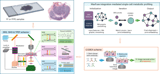
Key methodological components include data registration and integration via MaxFuse, allowing coherent cross-modality analysis on the same tissue section.
Prospective applications span cancer research, immunology, neuroscience, and developmental biology, with implications for drug development, contingent on method sensitivity, speed, and compatibility with living or preserved samples.
Spatial mapping preserves tissue geography and gradients, enabling detection of metabolic differences across microenvironments that bulk assays miss.
The work builds on prior imaging of metabolic dynamics, high-plex imaging, and computational frameworks linking imaging data to cell identity and metabolic state.
The workflow samples fresh-frozen or FFPE tissue to capture metabolic features (NADH/FAD redox, lipid/protein signals) and then profiling the same section with ~50-plex CODEX before H&E, with images aligned and cells segmented to link identity to metabolism via MaxFuse.
All-optical measurements rely on light signals without destructive processing, enabling potential repeated observations while preserving tissue context.
Critical considerations include cell-type recognition, mapping signals to biochemical states, controls for perturbation-induced changes, distinguishing biological differences from technical variation, and addressing multiplexing and phototoxicity.
Spatial neighborhood analysis shows intact lymph node compartments in health, but disrupted neighborhoods in lymphoma, signaling altered microenvironments affecting immune metabolism.
Ultimately, REDCAT aims to connect cell identity with metabolism to reveal how different cells in the same tissue allocate biochemical tasks or reprogram metabolism in disease or treatment.
Summary based on 3 sources
Get a daily email with more Science stories
Sources
BIOENGINEER.ORG • Aug 28, 2026
REDCAT Enables All-Optical Multimodal Mapping of Metabolism in Specific