New Fossil Discovery in Yunnan Reveals Denisovan Life and Culture Over 130,000 Years Ago
September 9, 2026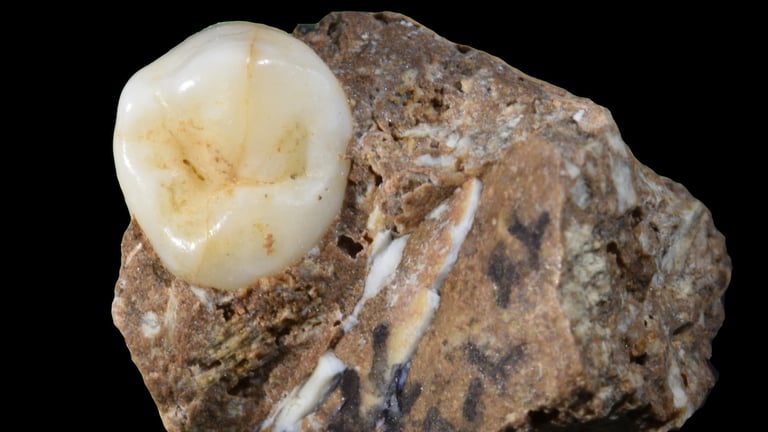

A new Denisovan discovery at Bianfu Cave in Yunnan yields fossils dated to roughly 167,000 to 134,000 years ago, including bone fragments, butchered animals, and a toolkit of over 1,300 stone items.
Proteomic analysis and enamel amino acid signatures, used where DNA is unavailable, confirm Denisovan identity for the five specimens and help place them within the Denisovan lineage.
Two parietal bones and a radius from the assemblage, along with teeth, form the core Denisovan sample, with Bayesian phylogenetics placing them as a monophyletic Denisovan group related to other known Denisovan material.
The site provides the first long, richly contextual Denisovan sequence in East Asia, linking material culture with biology and showing how these populations lived in a forested, temperate conifer-stepspe environment.
Researchers stress this discovery clarifies Denisovans’ technology, daily life, and ecology, complementing previous DNA-based understandings and showing broader cultural connectivity.
The excerpt available mainly provides metadata and citations without substantive narrative content.
Code and data are openly available, with sample code on OSF under an open license to reproduce the results.
Proteomic results confirm that all five specimens belong to Homo, specifically restricting to the Denisovan lineage with no detectable Neanderthal or modern-human markers.
Genetic evidence indicates Denisovans interbred with modern humans mainly in Southeast Asia and Oceania, with traces across Asia but not in Africa or Europe; direct DNA evidence from this site remains limited due to preservation.
Ancient DNA signals of Denisovans interbreeding with Neanderthals and modern humans exist, but direct, site-specific DNA remains scarce, underscoring the value of proteomics here.
The assemblage suggests a relatively improvisational toolmaking approach, with many items crudely flaked, indicating flexible behavior rather than standardized techniques.
References cite a broad scholarly network, situating the Bianfu Cave findings within the wider Denisovan and paleoanthropological literature.
Summary based on 10 sources
Get a daily email with more Science stories
Sources
CNN • Sep 9, 2026
Cave fossils in China reveal lives of mysterious human relatives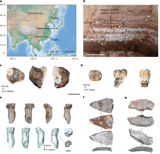
Nature • Sep 9, 2026
Ancient proteins identify various Denisovan remains from Southwest China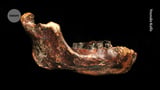
Nature • Sep 9, 2026
Who were the Denisovans? Rich trove of fossils and tools paints new picture