Exploring the Declaration's Second Sentence: Enduring Power and Moral Contradictions Revealed
December 2, 2025

The analysis situates the second sentence in historical context, noting its Enlightenment roots and the discussions among founders, including Franklin’s role in shaping the draft.
Enlightenment influence is highlighted, with reference to natural rights debates and Franklin’s discussions with figures like David Hume that shaped the drafting process.
A concise, analytic reading of the Declaration of Independence’s second sentence explores its enduring power, its claim that all men are created equal with unalienable rights, and the moral contradictions it contains.
The sentence is portrayed as expressing aspirational democratic ideals—economic fairness, moral compassion, and willingness to compromise—and underlining the need for shared goals in democracy.
The piece acknowledges the moral tension between stated ideals and practice, pointing out that women, Native Americans, and enslaved people were excluded, while many signers owned enslaved individuals.
The review emphasizes the contradiction within the sentence: universal rights exist on paper, yet the Founders themselves practiced slavery and excluded marginalized groups.
Benjamin Franklin is depicted as a central civic figure who influenced changes to Jefferson’s draft and embodied virtues of civic service worth emulating today.
Jefferson’s draft underwent significant edits under Franklin and others, leaving Jefferson distraught but helping shape more practical and inclusive governance.
Overall, the work is a short, sharp meditation on a seminal American sentence—its ideals and unfulfilled promises—framed as timely for contemporary democracy.
The analysis places the sentence’s 250th anniversary in the context of ongoing concerns about democracy and civic virtue.
The author argues the sentence remains powerful for articulating national aspirations and democratic ideals, reinforcing the call for shared aims.
Publication details: Walter Isaacson’s The Greatest Sentence Ever Written is an 80-page book released by Simon & Schuster on November 18, 2025 (ISBN 9781982181314).
Summary based on 3 sources
Get a daily email with more Literature stories
Sources

Oxford Univ. • Dec 1, 2025
AMERICA'S MIDDLE EAST | Kirkus Reviews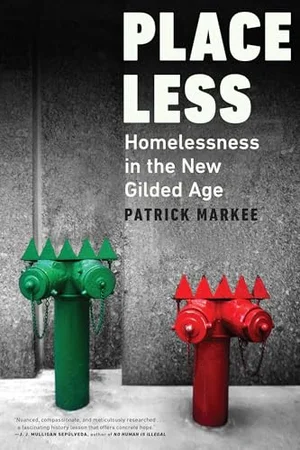
Melville House • Dec 2, 2025
PLACELESS | Kirkus Reviews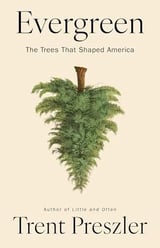
Algonquin • Dec 2, 2025
EVERGREEN | Kirkus Reviews