Saudi Vision 2030: Private Sector Powers Half of GDP Amid Economic Transformation
December 2, 2025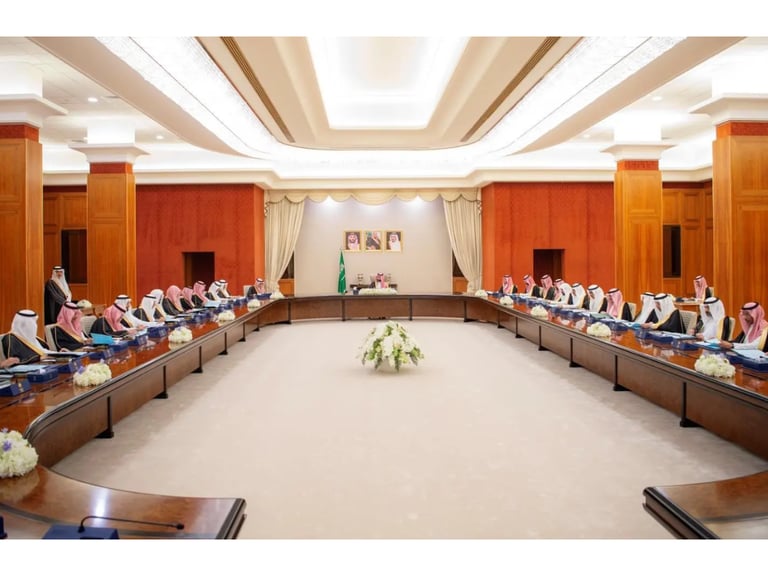


Saudi Arabia’s private sector now accounts for about half of real GDP, as Vision 2030 drives non-oil growth through infrastructure development, better services, and transparent budget execution aligned with the program.
Crown Prince Mohammed bin Salman underscored that Vision 2030 has boosted private sector participation and non-oil diversification as part of the economic transformation.
The budget and related statements highlight progress in non-oil growth, inflation containment, a stronger business climate, and steps to accelerate the economy in line with Vision 2030.
Finance officials indicate a deliberate long-run deficit posture, planned through 2028, to fund strategic priorities amid uncertain oil revenue.
Policy shifts focus from sheer spending levels to how money is spent, with the 2026 budget refocusing away from delayed mega-projects toward targeted investments.
Leadership reiterates ongoing investment in human capital and humanitarian efforts, paired with a medium-term sovereign financing plan to strengthen fiscal sustainability and resilience to shocks.
The 2026 budget projects 1.147 trillion riyals in revenue and 1.312 trillion in expenditures, producing a deficit of about 165.4 billion riyals.
The Crown Prince directed ministers to actively implement Vision 2030 development and social programs, prioritizing citizens’ well-being.
Finance Minister Mohammed Al Jadaan described the deficit as deliberate, maintaining a deficit through 2028 as part of fiscal policy.
The Crown Prince affirmed steady progress toward Vision 2030 goals, guided by prudent governance and reliance on divine guidance.
Saudi Arabia continues a major push to diversify away from oil by attracting investment and tourism, expanding the non-oil economy.
Summary based on 13 sources
Get a daily email with more Macroeconomics stories
Sources

Arabian Business: Latest News on the Middle East, Real Estate, Finance, and More • Dec 2, 2025
Saudi Arabia approves 2026 budget: $349.2bn spending, $305.9bn deficit
okaz • Dec 2, 2025
Citizens’ welfare is government’s top priority; Crown Prince asserts
okaz • Dec 2, 2025
Citizens’ welfare is government’s top priority; Crown Prince asserts