Saudi Arabia's 2026 Budget Targets Growth with SAR 1.313 Trillion in Spending, Non-Oil Sector Booms
December 3, 2025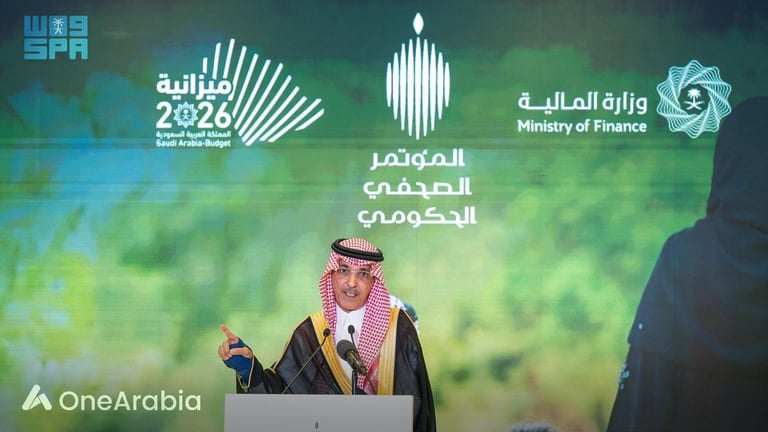

Saudi Arabia will pursue expansionary spending in the 2026 budget to bolster growth, with total expenditure projected at SAR 1.313 trillion and rising to SAR 1.419 trillion by 2028, supported by accelerated growth and medium-term planning.
The Public Investment Fund has grown assets from about SAR 150 billion to over SAR 800 billion and focuses on long-term investments for future generations, with profits not distributed to the government.
Non-oil sector growth is at a historic pace, with MSMEs expanding from roughly 500,000 to 1.7 million establishments, signaling broad economic diversification.
Saudi Vision 2030 remains on track, with 93% of performance indicators achieved or progressing and 85% of initiatives either completed or advancing; by 2030, 299 indicators have met targets ahead of schedule.
Long-term planning enables a 15-year project horizon, allowing adjustments in scale as needs evolve, aligning with a citizen-centered approach championed by the leadership.
Core services will see increased investment, with SAR 533 billion allocated in 2026 to education, health, social services, and municipal services, alongside substantial funding for other major strategies and projects.
Real GDP is projected to grow about 4.4% by end-2025, with nominal GDP anticipated at SAR 5.6 trillion by 2028, though oil price volatility remains a factor in long-term sustainability and Vision 2030 targets remain central.
Health and education spending are set to exceed SAR 460 billion in 2026, with privatization efforts continuing alongside public service commitments, including privatizing hospitals while maintaining public service budgeting.
Budget deficits are used strategically to support policy aims, with borrowing of SAR 245 billion expected to yield returns higher than borrowing costs to sustain growth through the cycle.
Summary based on 1 source
Get a daily email with more Macroeconomics stories
Source
OneArabia (MENA) • Dec 3, 2025
Saudi Arabia's Finance Minister Confirms Expansionary Spending In 2026 Budget To Support Economic Growth