May Inflation Rises to 3.93%, Jewelry and Food Prices Surge; Monsoon and Oil Key to Future Trends
June 12, 2026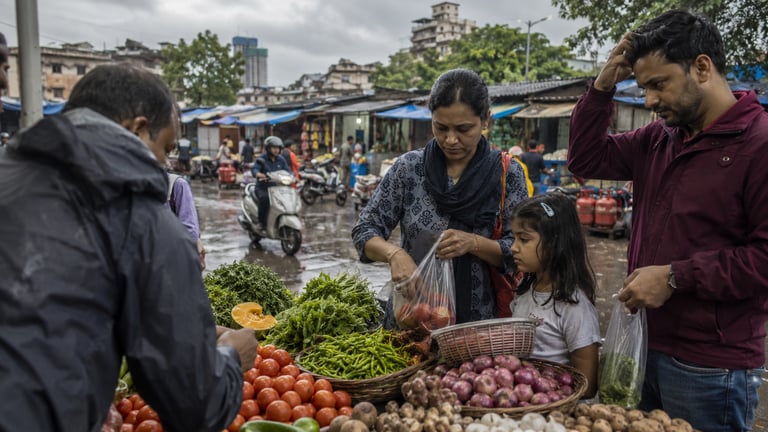

May 2026 CPI inflation rose to 3.93% year-on-year, up from 3.48% in April, with kitchen table food prices (CFPI) inflation at 4.78%.
Prices for metals and precious jewelry surged, with silver jewellery inflation exploding around 155%, and gold/diamond/platinum jewellery rising about 41%; meanwhile vegetables like tomatoes and ginger also climbed sharply.
Housing inflation for May was 2.12% overall, higher in rural areas at about 2.73% than urban areas at 1.91%.
The overall market tone was cautious, recognizing that the price path remains sensitive to external shocks and monsoon outcomes.
Analysts say the coming months will hinge on the monsoon, oil prices, and the rupee, with a good monsoon and softer crude potentially keeping inflation near target.
Inflation remains within the RBI’s 2–6% target band, yielding moderate policy risk in the near term, though upside risks from energy prices and El Niño disruptions persist.
Ongoing price pressures from energy costs and the Middle East conflict are shaping the inflation trajectory.
While market reactions or explicit central-bank moves aren’t detailed here, such policy actions would be closely watched.
RBI and policymakers are monitoring monsoon progress, weather risks, and pass-through from high input costs to consumer prices.
Higher inflation could justify a longer-duration policy stance, tightening financial conditions and weighing on bank loan growth.
The RBI raised its inflation projection for the year to about 5.1% and flagged oil and monsoon risks to the rupee and current account; some economists expect inflation to approach the upper bound and pause rate moves soon.
Some economists foresee inflation edging toward or above the 6% upper tolerance by year-end, potentially shaping policy decisions and delaying rate cuts.
Summary based on 10 sources
Get a daily email with more Macroeconomics stories
Sources

The Times Of India • Jun 12, 2026
US-Iran war impact: Retail inflation rises marginally to 3.93% in May, food inflation edges up to 4.78%

Investing.com • Jun 12, 2026
India’s May retail inflation rises 3.93% on year
Investing.com • Jun 12, 2026
India’s May retail inflation rises to 3.93% on year