Ketamine's Antidepressant Effects Linked to Astroglia, Not Neurons: New Research Insights
December 17, 2024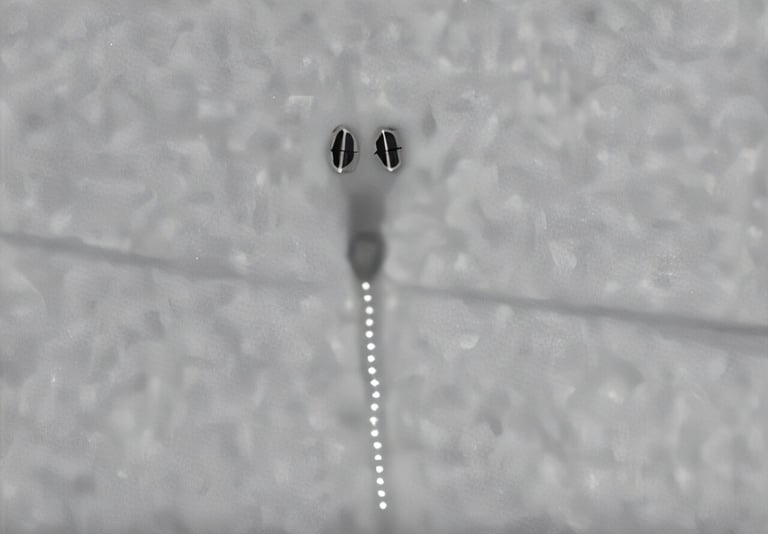

Researchers emphasize the need for further investigation into how norepinephrine levels are affected by ketamine and how this impacts neuronal and astroglial physiology.
To facilitate precise observation of zebrafish behaviors, the research utilized a virtual reality system to simulate various swimming conditions.
Recent findings challenge traditional understandings of ketamine's action, revealing that its antidepressant effects primarily target astroglia, a type of brain support cell, rather than neurons.
In experiments with zebrafish, scientists observed that ketamine suppressed 'giving up' behavior linked to futility signals, attributed to the activation of astroglia.
A brief exposure to ketamine resulted in a lasting reduction in passivity among zebrafish, suggesting that the drug could enhance resilience against feelings of futility.
The study also tested other fast-acting antidepressants, finding similar reductions in passivity, while stress treatments increased it.
Researchers are investigating ketamine as a potential treatment for severe depression, focusing on its effects on brain cells and circuits.
Imaging studies demonstrated that ketamine increases calcium levels in astrocytes, leading to prolonged activation of these cells after drug exposure.
Similar mechanisms were confirmed in mice, indicating a significant role of astroglia in depression treatment and suggesting cross-species conservation of these effects.
Ketamine exposure led to overstimulation of astroglia, allowing zebrafish to continue swimming even when their efforts seemed ineffective.
These findings underscore the importance of understanding the molecular actions of antidepressants, as their mechanisms remain largely unclear despite decades of research.
The research highlights the potential for developing safer and more effective antidepressants by focusing on astroglial activity.
Summary based on 3 sources
Get a daily email with more Science stories
Sources

ScienceDaily • Dec 17, 2024
Discouraged zebrafish help reveal how ketamine works in the brain
Medical Xpress • Dec 17, 2024
Discouraged zebrafish help reveal how ketamine works in the brain
Neuroscience News • Dec 17, 2024
Ketamine Reduces "Giving Up" by Targeting Brain Support Cells - Neuroscience News