New FDA-Cleared Pulse Oximeter Revolutionizes Sleep Apnea Monitoring with Enhanced Data and Patient Engagement
May 18, 2025

A new pulse oximeter device offers significant advantages over traditional in-lab polysomnography by providing longitudinal data that enhances observation of night-to-night variability and treatment responses, as noted by Ketan Mehta of Apnimed.
This system enhances patient-provider communication through real-time data sharing, promoting collaborative decision-making in treatment plans.
Researchers are focused on gathering more data to better understand both patient and clinician experiences with the device and its connected software.
Unlike consumer wearables such as the Oura ring and Apple Watch, this medical-grade device is cleared for clinical use and is designed for frequent monitoring.
While the wearable device is FDA-cleared, the connected software requires further validation and FDA clearance for broader deployment, with potential applications in monitoring other respiratory conditions like COPD and ILD.
The pulse oximeter is user-friendly and designed for patient comfort, with clinical trials demonstrating high utilization rates among users.
In these trials, 85% of patients wore the device beyond the recommended nine nights over 47 days, with some using it almost nightly for extended periods, indicating strong engagement.
The sensor allows patients to wear it comfortably while sleeping, ensuring that their routines are not disrupted.
Preliminary studies suggest that the sensor can accurately track changes in sleep quality and apnea frequency, assisting physicians in adjusting treatment plans as necessary.
Experts believe that integrating such devices into regular clinical practice could lead to more effective management of sleep apnea and related health issues.
The device connects to a smartphone app, allowing patients and healthcare providers to access shared data, which enhances communication and shared decision-making.
Overall, this technology promotes shared decision-making between patients and providers, significantly enhancing the digital medicine experience.
Summary based on 15 sources
Get a daily email with more Science stories
Sources

EurekAlert! • May 18, 2025
Wearable sensor could be used to monitor OSA treatment response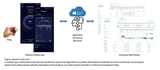
Medical Xpress • May 18, 2025
Wearable sensor could be used to monitor obstructive sleep apnea treatment response
News-Medical • May 19, 2025
New wearable device offers hope for better sleep apnea management
The Hans India • May 20, 2025
Wearable sensor can monitor obstructive sleep apnea treatment response