Early 'Big Bang' Moment in Bowel Cancer Reveals New Path for Personalized Immunotherapy and Vaccine Advances
November 6, 2025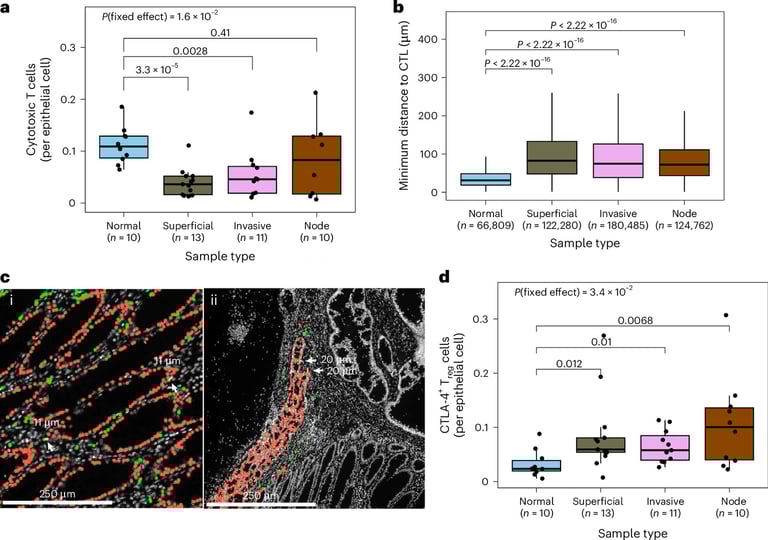

Epigenetic changes drive reduced neoantigen presentation, making it harder for the immune system to recognize and attack the tumor, helping explain variable immunotherapy responses.
Fewer neoantigens after immune escape can diminish immune recognition and potentially reduce the long-term effectiveness of immunotherapy.
Impact on treatment and prognosis: post-escape, bowel cancer tends to change little in appearance, but early, personalized immunotherapy and vaccine-based approaches could be more effective.
Researchers propose combining immunotherapy with epigenome-modifying drugs to boost neoantigen presentation and potentially improve efficacy, with vaccines already in clinical trials.
The findings point to targeting the immune-tumor relationship early, possibly via combination therapy, to improve responses in bowel cancer patients.
A new study identifies an early “Big Bang” moment in bowel cancer when cancer cells evade immune detection through epigenetic changes that alter DNA reading and reduce neoantigen presentation.
Researchers analyzed bowel cancers from 29 patients, using full DNA and RNA sequencing plus epigenetic analysis to track how immune evasion develops.
The study focuses on epigenetic regulation of gene activity and how tumors hide from immune cells, explaining why immune responses and immunotherapy vary among patients.
Experts say understanding this early tumor-immune moment could guide more personalized treatments, including vaccines, and improve immunotherapy outcomes for bowel cancer.
Context suggests that early interactions with the immune system may lead to better prognosis and targeted, early interventions, complementing surgery.
Researchers emphasize that insights into early tumor-immune dynamics could enable more effective and timely therapies, alongside existing surgical approaches.
Symptoms to watch include changes in bowel habits, blood in stool, abdominal pain, and fatigue, with guidance urging timely GP consultation.
Immune escape occurs early in cancer evolution and shapes future interactions with the immune system and treatment responses.
Context: bowel cancer accounts for about 44,100 new UK cases annually, with roughly 15% of cancers responding well to immunotherapy and vaccines in trials.
Bowel cancer is a leading cancer type in the UK and US, with incidence and treatment responses varying; vaccines and immunotherapies are actively being explored in trials.
The study implies that early intervention targeting the immune relationship of tumors could influence long-term outcomes and treatment success.
The immune-escape mechanism involves altering RNA transcription to reduce neoantigen presentation without changing DNA sequences.
Perspectives from researchers and funders highlight potential for targeted therapies and ongoing vaccine trials in bowel cancer.
Summary based on 3 sources
Get a daily email with more Science stories
Sources

Medical Xpress • Nov 5, 2025
Bowel cancer's 'Big bang': How a crucial moment determines future growth
News-Medical • Nov 5, 2025
Bowel cancer’s “Big Bang” moment reveals how the disease takes shape