Sperm Donor with Cancer-Linked Mutation Fathers 197 Kids, Exposes Europe's Regulatory Gaps
December 10, 2025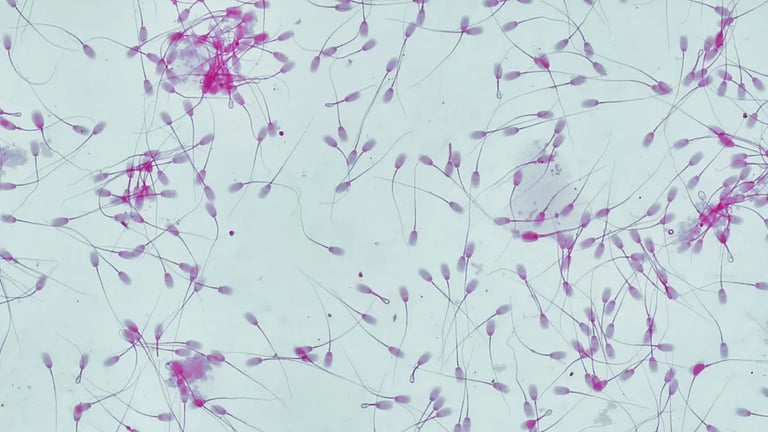


Officials note that not all potentially affected families have been contacted yet, raising concerns about timely risk communication and follow-up.
Clinical responses include annual MRI/abdominal ultrasounds and preventive measures for carriers, with genetic counseling for affected families; some women opt for preventive mastectomies.
Authorities and health professionals urged affected families to seek genetic counseling and screening, including MRI and ultrasound surveillance, with some choosing preventive breast removal.
A Danish private sperm bank donor with a rare TP53 mutation, linked to Li-Fraumeni syndrome and high cancer risk, fathered at least 197 children across Europe, with some offspring already developing cancer or carrying the mutation.
The donor's sperm was used by 67 clinics in 14 countries over roughly 17 years, and it was not sold to UK clinics; a small number of British families were notified after the investigation.
There is currently no European-wide limit on the number of children or families linked to a single donor, revealing gaps and variation in regulation among member states.
Clinics and regulators are reviewing policies, with some authorities cooperating with ongoing investigations to address regulatory breaches and improve donor screening and limits.
Experts highlighted ethical and practical challenges of donor-based reproduction, stressing the need for better cross-border regulation and transparency to prevent similar cases.
Experts emphasize lifelong screening for carriers and early cancer detection, warning that without timely information affected individuals may miss opportunities for early intervention.
Despite concerns, licensed clinics maintain that they provide a high level of safety due to extensive screening compared with natural conception.
The case highlights regulatory gaps and the challenges of screening for rare genetic mutations in donors, along with the ethical and medical implications for families and donor programs.
Recommendations call for informing prospective recipients about donor history and prior usage, plus stronger screening and usage limits to minimize future cancer-risk exposure for offspring.
Summary based on 24 sources
Get a daily email with more World News stories
Sources
BBC News • Dec 10, 2025
Sperm from donor with cancer-causing gene was used to conceive almost 200 children