Breakthrough Finger-Prick Blood Test Promises Early Alzheimer's Detection With 86% Accuracy
January 18, 2026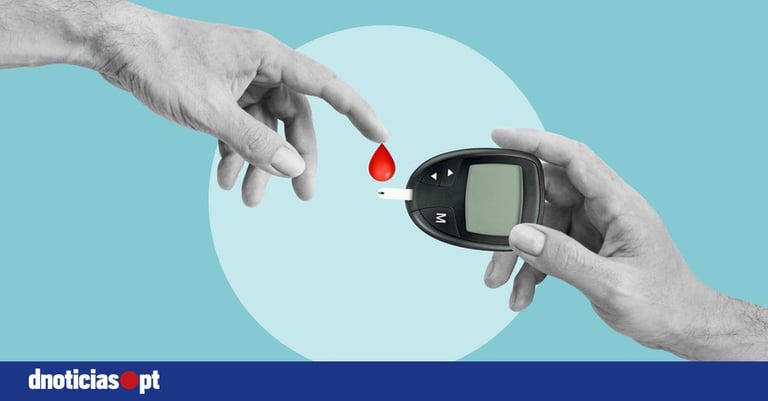


While encouraging, findings are not yet ready for routine clinical use; the study continues through 2027 to validate the approach and assess its impact on broad participation in neurodegenerative research.
A European PREDICTOM consortium study, led by UZ Brussels and VUB, is evaluating a simple finger-prick blood test to detect Alzheimer's disease before symptoms appear by measuring biomarkers like p-Tau217.
Initial results show promise, suggesting the finger-prick test could be more accessible than current invasive or complex diagnostic methods.
Today’s Alzheimer’s diagnosis relies on invasive CSF analysis, advanced imaging, and cognitive testing, which are burdensome; the finger-prick approach could lower barriers to early detection.
GFAP and NFL biomarkers were also measured successfully and showed strong agreement with conventional diagnostic tests.
The method was tested on 337 patients across seven European centers, achieving 86% accuracy in detecting brain-related changes associated with Alzheimer’s in cerebrospinal fluid.
If effective, the finger-prick test could be performed outside hospital settings, improving accessibility for those with limited mobility or living far from care, enabling ongoing monitoring through repeat testing.
In Madrid and Barcelona, researchers published in Nature Medicine on a blood-based test using a single drop of finger-prick blood dried on a card to detect Alzheimer’s.
The PREDICTOM study aims to reliably measure biomarkers such as p-Tau217 from a finger-prick sample, with early detection viewed as critical for guiding timely treatment and intervention.
Despite limitations, the technique could enable large-scale diagnostics and reach underserved populations due to its simplicity and potential for self-collection.
Researchers caution that the diagnostic procedure is not yet ready for clinical use and requires further development.
Prof. Dr. Sebastiaan Engelborghs notes that early detection could allow new treatments to be introduced at the right moment before symptoms appear.
Summary based on 2 sources
Get a daily email with more Science stories
Sources

Medical Xpress • Jan 15, 2026
Simple finger-prick blood test could make early detection of Alzheimer's disease more accessible