UK Initiative Resilience Revolutionizes Medicine Manufacturing Training with VR, Saves Millions and Reduces Emissions
January 18, 2026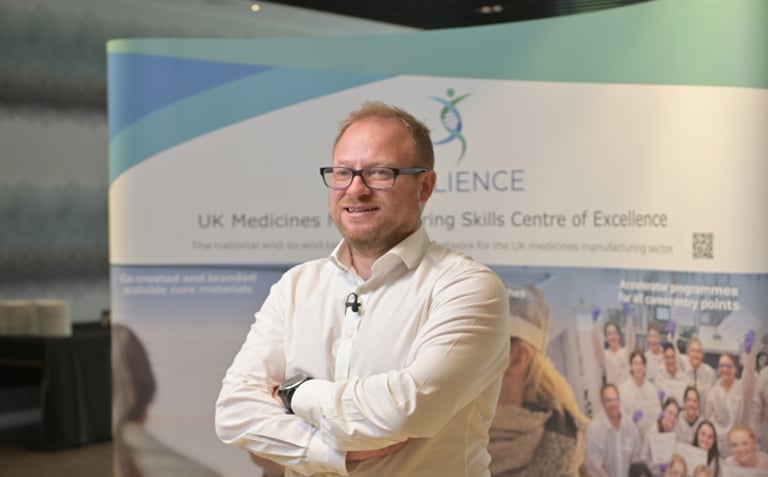


VR training lets learners practice and learn from mistakes safely, reducing pressure and anxiety in real facilities while speeding up confidence and competence.
Since its launch 18 months ago, Resilience has saved 0.5 million in PPE costs, 7 million in equipment costs (including 10,000 pieces of single-use plastics), and cut CO2 emissions by 30,000 kilograms.
A UK government-backed initiative called Resilience aims to train more than 140,000 people in medicine manufacturing over the next decade using virtual reality to simulate advanced lab facilities.
The program doubles as a training and recruitment tool, introducing younger students and underrepresented groups to medicine manufacturing and providing a scalable, standardized training method across regions with unlimited class sizes.
Ivan Wall, director of Resilience and a professor at the University of Birmingham, notes VR can recreate costly, fragile environments for hands-on practice and marks a step toward upskilling for therapies like gene therapy, cellular therapies, and vaccines.
The plan addresses a significant skills gap and highlights the high costs and regulation of cleanroom training, which VR can cut by enabling repeated practice without using real materials or risking equipment.
Resilience frames VR as an continually evolving technology with potential for rapid improvements, mirroring the early days of PCs and smartphones, and seeks to democratize access to pharmaceutical manufacturing careers.
Summary based on 1 source
Get a daily email with more Tech stories
Source
Digital Health • Jan 18, 2026
VR project aims to boost UK’s medicine manufacturing skills