William Foege: Visionary Architect of Modern Global Health and Smallpox Eradication Hero
January 25, 2026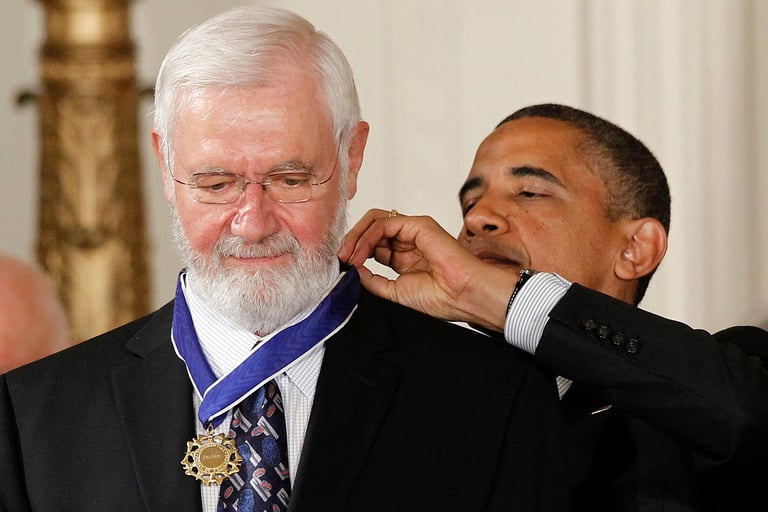


His work and ‘ring containment’ approach remain central to his legacy in infectious-disease control and public health strategy.
His enduring legacy offers a hopeful blueprint for today: uphold social justice, rely on scientific guidance, and pursue global collaboration in public health.
Humility defined his leadership—consistently crediting frontline workers and communities while downplaying personal achievements.
Colleagues described him as optimistic, visionary, and collegial, with a lasting impact on public health policy and global health collaboration.
His 2024 book argues that coordinated, collective action can yield substantial health advances, including disease eradication, reinforcing the power of organized effort.
He stressed that strong surveillance and data are essential to uncover truth, guide interventions, and keep public health programs on track.
Observers note his tall, calm demeanor and sharp intellect, qualities that complemented a strategic, patient approach to infectious disease control.
A towering figure in global health, William Foege helped lead the CDC from 1977 to 1983, co-founded the Task Force for Global Health, and remained influential through leadership roles at The Carter Center and the Bill & Melinda Gates Foundation; he is celebrated as a foundational architect of modern global health and was awarded the Presidential Medal of Freedom in 2012.
Foege played a central role in smallpox eradication, pioneering the ring containment strategy that targeted vaccination to contacts of each case, a method that contributed to the disease’s global eradication and the WHO's certification of success in 1980.
Beyond eradication, he shaped public health policy by expanding immunization efforts and guiding global health initiatives, and his influence extended to his later public-facing work and writings on science, justice, and health collaboration.
In his later years, he publicly critiqued actions he viewed as harmful to vaccination efforts and public health infrastructure, underscoring a commitment to science-driven policy.
He championed global cooperation and solidarity, using smallpox eradication as proof that multilateral efforts can break down social barriers to health.
Summary based on 11 sources
Get a daily email with more World News stories
Sources
Forbes • Jan 25, 2026
Lessons From William H. Foege, A Global Health Legend
AP News • Jan 25, 2026
Small pox eradication pioneer Dr. William Foege dies | AP News
PBS News • Jan 25, 2026
Leader in smallpox eradication, Dr. William Foege, dies at 89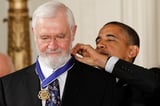
The Boston Globe • Jan 25, 2026
William H. Foege, key figure in the eradication of smallpox, dies at 89