Global Study Reveals 7.1 Million Preventable Cancer Cases in 2022: Key Risks and Prevention Strategies
February 3, 2026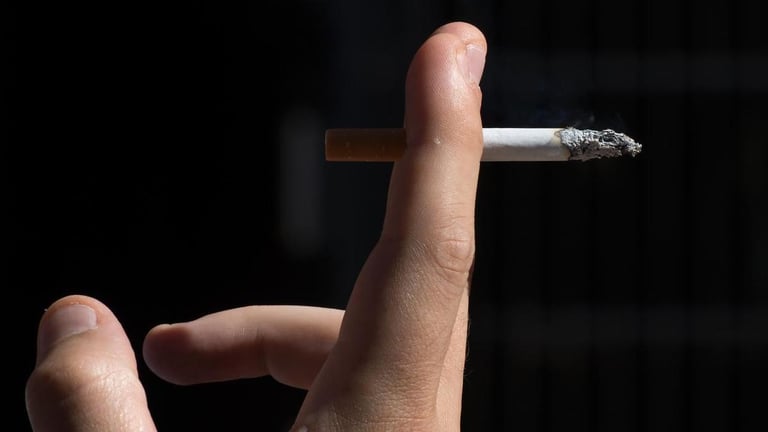


WHO and IARC researchers urge tailoring prevention strategies to regional and national contexts to maximize impact.
The piece places these findings within a broader public health context by referencing related stories on international relations, military modernization, and space exploration.
Lung, stomach, and cervical cancers are the most commonly diagnosed preventable cancers, driven respectively by smoking/air pollution, H. pylori infection, and HPV.
Analyzing data from 185 countries and 36 cancer types, the study for the first time includes nine infection-related cancers among preventable risk factors.
This approach fills gaps in prior estimates that focused on deaths rather than cases and often examined a single risk factor.
Key messages frame prevention as risk reduction, not blame, and call for policy and structural interventions while acknowledging uncertainty and the dignity of people living with cancer.
A global study finds 7.1 million preventable cancer cases in 2022, about 4 in 10 of all new cancers, with smoking, infections, and alcohol driving most of this preventable burden and notable gender differences, where 45% of global male cancers and 30% of female cancers are linked to preventable risks.
Even incidental activities like walking or daily vigorous movement can contribute to risk reduction, though scheduled exercise remains preferred for maximum benefit.
While findings are significant, regional variations and data interpretation limits across areas are noted.
Experts view the study as a pivotal data-informed contribution to cancer prevention, emphasizing ongoing importance of individual actions and context-specific strategies.
Dietary guidance recommends a diverse Mediterranean-style pattern with lean proteins, fruits, vegetables, whole grains, nuts, and legumes, while limiting red meat, dairy, alcohol, sugar, and ultra-processed foods.
The study appears in Nature Medicine (2026) with DOI 10.1038/s41591-026-04219-7, authored by Hanna Fink and colleagues.
Summary based on 21 sources
Get a daily email with more World News stories
Sources

BBC News • Feb 3, 2026
Seven million cancers a year are preventable, says global report
Nature • Feb 3, 2026
Over one-third of cancer cases are preventable, massive study finds
World Health Organization • Feb 3, 2026
Four in ten cancer cases could be prevented globally
Business Insider • Feb 4, 2026
A new report found nearly 4 in 10 cancers are linked to preventable causes. Here are the best ways to lower your risk.