Revolutionary SNA Vaccine Design Boosts Anti-Tumor Immunity, Paving Way for Advanced Cancer Treatments
February 11, 2026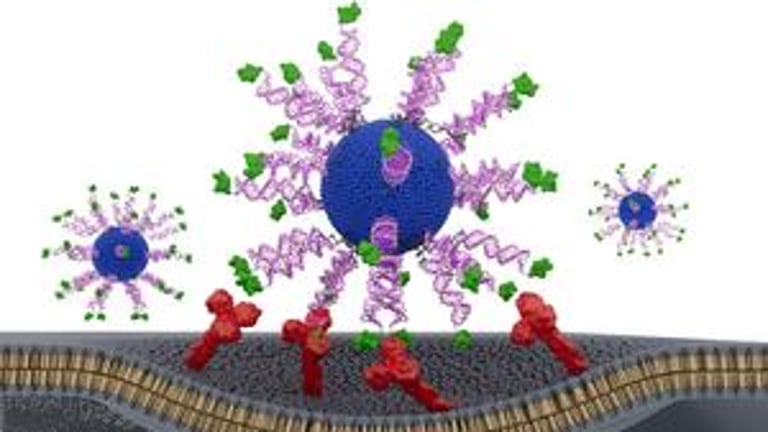

Researchers at Northwestern University show that precisely designing the nanostructure of a spherical nucleic acid (SNA) vaccine dramatically enhances anti-tumor immunity against HPV-driven cancers, with notably stronger responses when the antigen is displayed on the particle surface via the N-terminus.
In humanized mouse models, the optimized vaccine design slows tumor growth and increases cancer-cell killing in patient-derived samples by two- to threefold compared with other configurations using the same ingredients.
The strongest response came from presenting the antigen on the particle surface, yielding up to eight times more interferon-gamma and substantially decelerating tumor progression.
Experts say this nanoscale architecture insight could complement standard therapies and potentially improve vaccine formulations for other diseases, contingent on human trials.
The study, led by Hwang and colleagues, is highlighted with quotes from Dr. Jochen Lorch and Chad Mirkin on implications for future vaccine design in Science Advances.
Researchers anticipate integrating artificial intelligence to rapidly identify optimal structural configurations, potentially transforming vaccine formulation and reducing development costs.
Beyond HPV, the team envisions revisiting earlier vaccine candidates to improve responses through optimized structure, with AI and machine learning central to identifying effective configurations quickly.
The researchers acknowledge this approach could revive underperforming vaccines by reconfiguring their architecture and expect AI-assisted design to accelerate discovery and optimization.
While translating lab results to humans remains uncertain, strong preclinical data increase the likelihood of success in subsequent clinical trials.
The work builds on a broader program from Mirkin and colleagues, whose SNAs are in various clinical or preclinical stages, with seven SNA-based drugs in human trials and SNAs used in over 1,000 commercial products.
This work supports structural nanomedicine’s aim to maximize efficacy and minimize toxicity by nanoscale geometry and orientation, rather than relying on simple mixing of ingredients.
The findings suggest a paradigm shift toward architecturally optimized vaccines that could impact cancer treatment and possibly other diseases by fine-tuning nanoscale antigen presentation.
Summary based on 6 sources
Get a daily email with more Science stories
Sources
Live Science • Feb 11, 2026
Cancer vaccine shows promise against HPV-related throat tumors in early study
EurekAlert! • Feb 11, 2026
HPV cancer vaccine slows tumor growth, extends survival in preclinical model
Medical Xpress • Feb 11, 2026
HPV cancer vaccine slows tumor growth and extends survival in preclinical model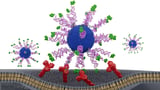
SciTechDaily • Feb 11, 2026
Scientists Supercharge HPV Cancer Vaccine With a Tiny Structural Shift