Chikungunya Threat Expands in Europe: Rising Temps Boost Mosquito-Borne Virus Spread
February 18, 2026


A new study finds chikungunya can be transmitted by the Asian tiger mosquito across much of Europe as temperatures rise, with transmission possible for more than six months a year in southern regions and two to five months in parts of the north.
Recent years have seen record local outbreaks in France and Italy, with Aedes albopictus contributing to rising dengue activity in these countries.
Global travel and higher temperatures are broadening mosquito distribution and accelerating virus replication, increasing transmission potential and enabling non-native species to thrive in new areas.
There is a vaccine available, and travelers heading to high-risk areas are advised to get vaccinated.
The study emphasizes pinpointing where and when transmission could occur to help authorities plan targeted interventions and reduce outbreak risk.
By identifying transmission locations and months, authorities can prioritize surveillance and measures such as habitat reduction, fumigation, vaccination prioritization, and public prevention advice.
Leader statements highlight that recognizing specific transmission sites and timing enables action to lower risk, with notes on a lower temperature threshold expanding potential transmission areas.
Portugal’s coordinated response and surveillance progress were highlighted, with updates from November 2025 overseen by INSA President Fernando Almeida.
Public health officials advocate for enhanced surveillance and education to reduce breeding sites and bites, noting travel-related cases can seed outbreaks in susceptible mosquito populations.
Experts warn climate change will likely keep expanding transmission zones, making local surveillance, standing water removal, protective clothing, and repellents critical for prevention.
Transmission depends on the virus reaching mosquito saliva after incubation; if incubation exceeds the mosquito’s lifespan, transmission cannot occur, a key factor in risk modeling.
Portugal’s preparedness is reinforced by the Revive vector surveillance network, with about 350 staff coordinating monitoring and noting expanding detections of Aedes albopictus since 2017, including reach into the Centro region in 2024.
Summary based on 7 sources
Get a daily email with more World News stories
Sources

The Guardian • Feb 18, 2026
Excruciating tropical disease can now be transmitted in most of Europe, study finds
The Independent • Feb 18, 2026
Painful tropical virus could become established in UK as temperatures rise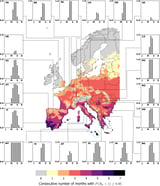
Medical Xpress • Feb 18, 2026
Debilitating tropical virus can spread in cool weather, posing a greater health risk than previously thought