Study Links Semaglutide to 42% Lower Risk of Worsening Mental Health in Depression, Anxiety Patients
March 19, 2026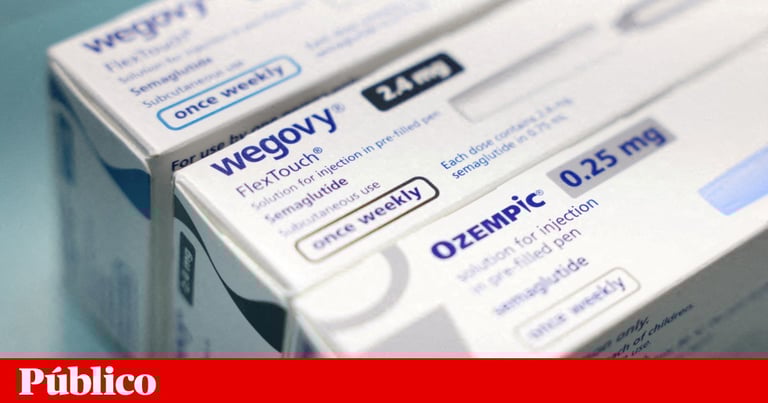


Experts note potential conflicts of interest and emphasize cautious interpretation due to baseline differences in mental health among patients with diabetes or obesity.
A large Swedish observational study published in Lancet Psychiatry finds that GLP-1 receptor agonists, especially semaglutide, are associated with a reduced risk of worsening mental health in adults with pre-existing depression or anxiety, compared with non-use.
Some evidence also points to reduced addiction-related risks with GLP-1 medications, contributing to the observed mental health benefits.
The study is observational and may be influenced by confounding factors; results mainly concern individuals with more severe disease and reflect outcomes like hospital care or prolonged sickness absence.
Other GLP-1 RAs such as exenatide and dulaglutide showed no significant associations with mental health outcomes in this study, possibly due to smaller sample sizes.
The findings have sparked calls for randomized clinical trials to determine if Ozempic and Wegovy can be used to treat mental health disorders and expand their use beyond metabolic benefits.
Semaglutide use is linked to a 42% lower risk of overall worsening mental health (aHR 0.58), including notably lower risks for depression (aHR 0.56), anxiety (aHR 0.62), and substance use disorders (aHR 0.53); liraglutide shows smaller yet notable benefits, including a 26% reduction in depression (aHR 0.74).
The study analyzed Swedish health records from 2009 to 2022 and included nearly 100,000 participants, with more than 20,000 using GLP-1 receptor agonists such as semaglutide.
The research was a collaboration among the University of Eastern Finland, Karolinska Institutet, and Griffith University and was published in The Lancet Psychiatry.
Overall, while the results are promising, clinicians and researchers stress that causality has not been proven and that better physical health may partly explain the mental health improvements.
Possible mechanisms discussed include improved glycemic control, weight loss and body image improvements, reduced alcohol use, and potential direct neurobiological effects on brain reward pathways, though exact causes remain undetermined from registry data.
However, the authors caution that the observational design cannot establish causality and call for randomized controlled trials to confirm these findings.
Summary based on 6 sources
Get a daily email with more World News stories
Sources

Sky • Mar 19, 2026
Weight loss jabs may help with anxiety and depression, study finds
The Jerusalem Post • Mar 19, 2026
Research ties GLP-1 injections to fewer setbacks in anxiety and depression
Medscape • Mar 18, 2026
GLP-1s Tied to Lower Risk of Psychiatric Decline in Pre-existing Mental Illness
News-Medical • Mar 19, 2026
GLP-1 medications linked to reduced psychiatric hospital visits