Drought Fuels Antibiotic Resistance: Global Study Highlights Urgent Need for Climate-Aware Strategies
March 24, 2026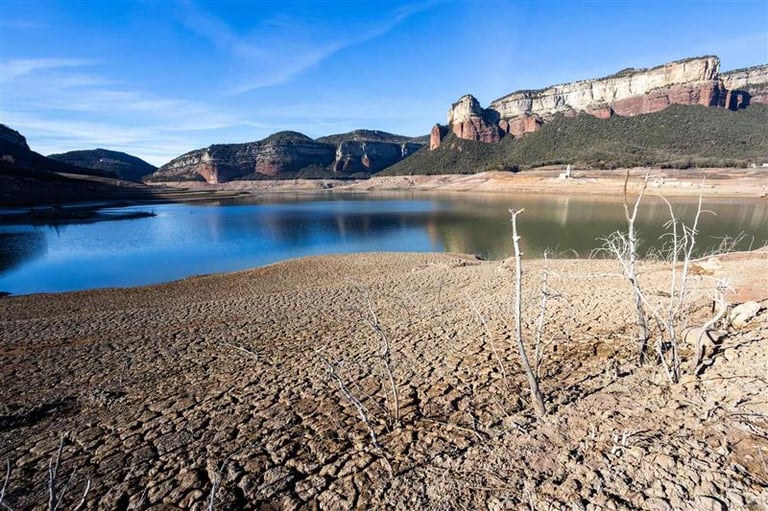

Global hospital data show dryer regions have higher rates of antibiotic-resistant pathogens, even after adjusting for socioeconomic factors.
Experts warn that climate-change-driven drought could amplify resistance worldwide, underscoring the need for rapid diagnostics, multi-drug therapies, and renewed investment in basic antibiotic discovery.
The article cites supporting literature and provides links to Lancet Microbe, Nature Reviews Microbiology, and other high-profile sources to bolster the analysis.
Author affiliations include Timothy M. Ghaly of Macquarie University and the ARC Centre of Excellence in Synthetic Biology.
A robust, multi-method approach combines global metagenomics, controlled-system experiments, and epidemiological analyses spanning over 100 countries, ensuring strong consistency.
The piece is a preview requiring institutional access or Nature Microbiology subscription for full content.
The study, led by Dianne Newman and Xiaoyu Shan of Caltech, was published in Nature Microbiology on March 23, 2026.
Implications for hospital antibiotic choices may depend on local aridity, highlighting the need for ongoing science communication and support for scientific journalism.
Policy implications include environmental resistance surveillance, cross-sector antibiotic stewardship, and climate-aware strategies beyond clinical settings.
The work sits within a broader literature on antimicrobial resistance, contextualized by related studies and reviews.
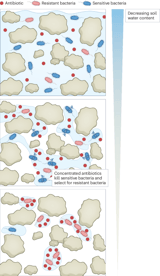
Drought and aridity concentrate antibiotics in soil and elevate resistant strains, increasing antibiotic resistance in soil microbes, as shown by controlled experiments and metagenomic analyses.
The findings have practical relevance for drought-prone regions like Spain and reflect a One Health approach integrating environmental monitoring, prudent antibiotic use, and climate adaptation.
Summary based on 4 sources
Get a daily email with more Science stories
Sources
Nature • Mar 23, 2026
Climate change propels antibiotic resistance from soils into hospitals
Scientific American • Mar 23, 2026
Dangerous microbes may be hiding in drought-stricken soils

SMC España • Mar 23, 2026
Researchers observe link between drought and antibiotic resistance in soil bacteria