Digital Twins Revolutionize Heart Ablation, Slashing Procedure Time and Enhancing Precision
April 1, 2026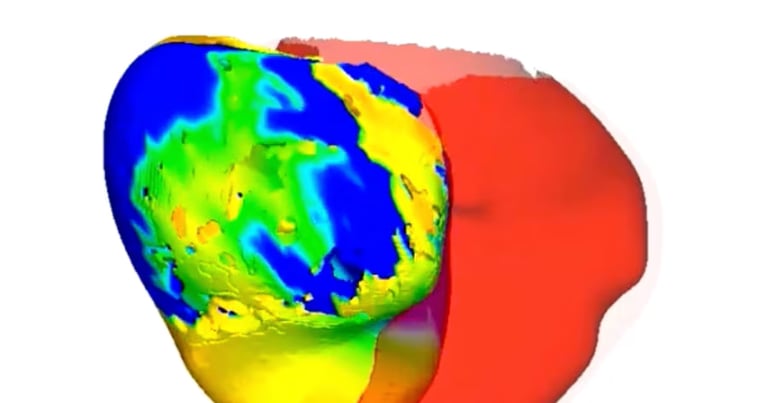


The study reported eight of ten patients with no post-treatment arrhythmias and two with a single brief episode, with most patients stopping anti-arrhythmia medications, suggesting outcomes above typical expectations.
Researchers have created patient-specific digital twins of diseased hearts to guide ablation for ventricular tachycardia, aiming for more precise targeting and potentially fewer complications.
A small Johns Hopkins study enrolled 10 patients under an FDA allowance to test the digital-twin approach, with plans for larger, multi-center trials.
The Hopkins team is expanding the work to atrial fibrillation and broader studies, while other researchers are exploring digital twins in cancer care.
Digital twins help pinpoint ablation regions and anticipate potential secondary arrhythmias, potentially shrinking tissue injury and procedure time.
Dr. Natalia Trayanova’s team emphasizes 'treat the twin before we treat the patient'—using virtual outcomes to decide where to ablate and to anticipate alternative arrhythmias.
Among participants followed for months to years, all remained free of sustained dangerous rhythms; most stopped antiarrhythmic drugs, with only two brief recurrences managed by implanted defibrillators.
The method seeks to identify precise ablation targets, reducing tissue damage, shortening procedures, and improving safety compared with traditional trial-and-error approaches.
In a 10-patient trial, twin-guided ablations cut procedure times from roughly three hours to about 30 minutes while maintaining control of abnormal rhythms.
External experts, including Dr. Jeffrey Goldberger, see the findings as aligning with the broader potential of digital twins in medicine.
By guiding personalized ablation targets, the twin technology allowed clinicians to perform more precise ablations and shorten overall procedure duration.
Independent experts call the approach innovative and promising, but say larger multicenter trials are needed to confirm benefits and determine whether it represents a game-changing advance.
Summary based on 5 sources
Get a daily email with more World News stories
Sources
Yahoo News • Apr 1, 2026
To fix a patient's irregular heartbeat, doctors first tested its digital 'twin'
Science News • Apr 1, 2026
Digital heart twins can guide a lifesaving procedure
WDIV ClickOnDetroit • Apr 1, 2026
To fix a patient's irregular heartbeat, doctors first tested its digital 'twin'