Wildflower Power: Tormentil Extract Enhances Antibiotic Efficacy Against Resistant Bacteria
April 13, 2026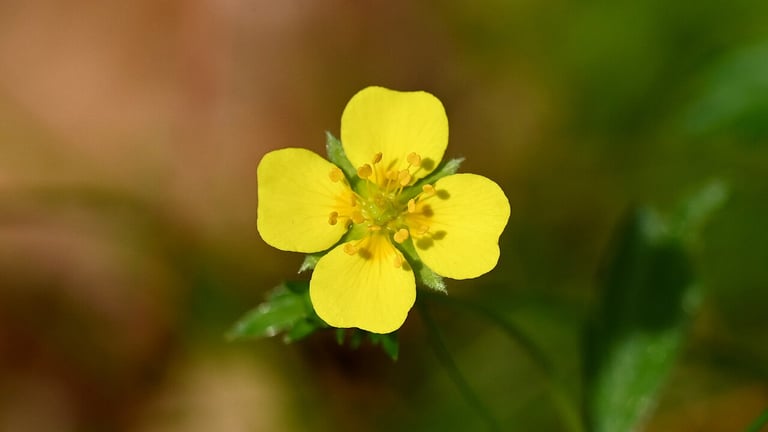

Historically, antibiotics have come from natural sources, and recent findings highlight plants as promising sources for new antimicrobials and for strengthening existing drugs as antimicrobial resistance rises.
Tormentil (Potentilla erecta), a small yellow wildflower with traditional Irish and European medicinal uses for wounds, sore throats, diarrhoea, and gum disease, is being investigated for antimicrobial properties in modern research.
Researchers identify tormentil compounds that fight bacteria by depriving them of iron, with ellagic acid and agrimoniin shown to inhibit growth through iron scavenging, and efforts are underway to optimize this activity and develop experimental formulations.
In a broad screening, scientists tested extracts from over 70 bogland plant species in Ireland against clinically relevant pathogens to identify compounds that inhibit bacterial growth and biofilm formation.
Tormentil extract, when combined with low levels of the antibiotic colistin, demonstrates a synergistic effect that improves antibiotic efficacy and reduces biofilm formation, suggesting potential to combat resistant bacteria.
The piece underscores traditional medicinal plants as a meaningful part of modern solutions to resistant infections and notes ongoing efforts to translate these findings into experimental therapies.
Overall, the growing threat of antimicrobial resistance calls for new approaches, with nature and traditional knowledge increasingly seen as valuable resources for innovation.
Summary based on 2 sources
Get a daily email with more Science stories
Sources
The Conversation • Apr 8, 2026
Wildflower once used to treat wounds and sore throats shows promise in fighting dangerous superbugs
ScienceAlert • Apr 12, 2026
This Tiny Wildflower Could Be a Secret Weapon Against Superbugs