Northern Ireland Families Demand Redress for Sodium Valproate Birth Defects
August 12, 2026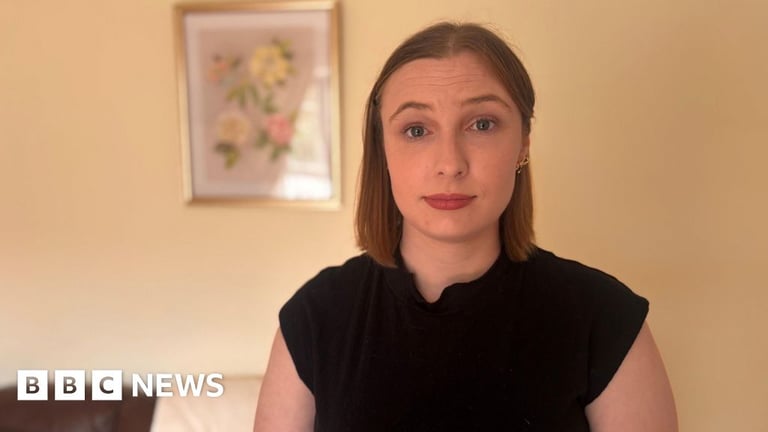


A BBC News Northern Ireland report traces the ongoing impact of the anti-epileptic drug sodium valproate on pregnant women and their children, focusing on blamed lack of warning about birth defects and ongoing calls for redress.
Another BBC feature highlights guilt, anger, and a demand for redress from families affected by valproate when taken during pregnancy.
Public figures and bodies, including Sinn Féin MLA Orlaithí Flynn and Northern Ireland’s Department of Health, acknowledge the need for better data, support, and a potential redress plan, but no definitive financial redress has been implemented.
The Cumberlege Report of 2020 spurred some closure for families like Jamison’s, yet financial redress and comprehensive care programs remain elusive.
Estimates indicate thousands of UK children have been affected since the 1970s, with about 500–600 cases in Northern Ireland among roughly 20,000 nationwide.
A Belfast Trust case describes a west Belfast daughter born with a cleft palate and other symptoms, illustrating long-term medical needs and emotional burdens on families.
Dr. Jim Morrow, founder of the UK Epilepsy and Pregnancy Register in 1996, says harms were not acted on promptly and advocates a formal redress scheme that includes care provisions, housing, and education support.
Morrow also argues the government knew of risks but delayed action, calling the situation a scandal and urging redress for families.
Northern Ireland is framed as potentially leading the way in exposing the scandal, with calls for an NI-specific redress scheme that covers financial compensation plus support for carers, home adaptations, and special education services.
The government has faced delays and limited response to redress calls, with appeals directed to both the UK government and Northern Ireland health authorities.
Susan Jamison, now 60, recalls being told in the 1990s that valproate was safe in pregnancy, despite her children showing foetal valproate syndrome features like autism, ADHD, learning difficulties, and bone pain.
Overall, the piece blends personal testimonies, medical findings, and political advocacy around valproate use in pregnancy and the push for redress and better care.
Summary based on 2 sources