World-First UK Trial Explores Blood Tests for Early Cancer Detection in 20,000 Patients
November 4, 2026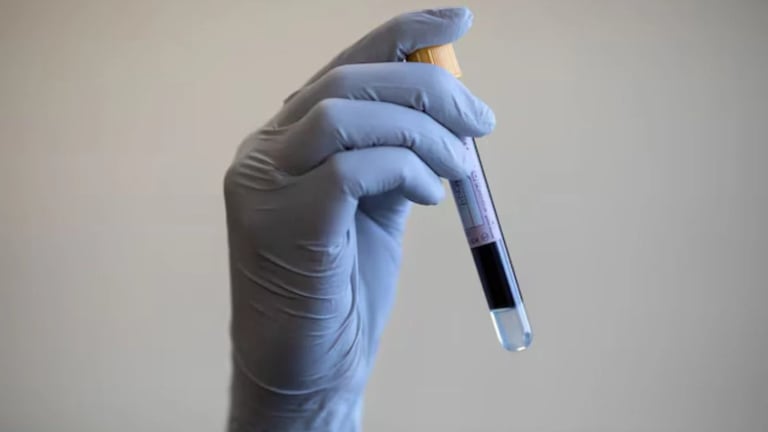


A world-first clinical trial in England will test whether simple blood tests can help family doctors diagnose common cancers earlier and improve survival chances, with over 20,000 NHS patients at around 200 GP surgeries in England invited to participate.
Developed by Birmingham University, the tests aim to detect signs of several cancers from a single blood sample and indicate their likely origin in the body.
The trial focuses on fourteen cancers that are often diagnosed late, including prostate, ovarian, colorectal, pancreatic, stomach, and liver cancers, with a primary emphasis on abdominal cancers such as liver and pancreatic cancer.
A positive test result suggests potential cancer and leads to further investigations, while a negative result does not guarantee absence of cancer.
The tests are designed to flag patients who need additional cancer tests or can be ruled out, potentially reducing unnecessary referrals for invasive procedures.
The study evaluates four tests from Proteotype (Enlighten), Pinpoint AI (PinPoint), Natera (Signatera), and Mercy BioAnalytics (Halo) to determine real-world effectiveness in guiding referrals and investigations.
Health Secretary Yvette Cooper and Cancer Research UK stress the potential for earlier identification and better outcomes, while noting the approach remains exploratory during the trial.
Halo detects single extracellular vesicles, which may be elevated in early-stage cancer, while Enlighten analyzes circulating amino acid biomarkers and Pinpoint AI uses 32 biomarkers with a red/amber/green triage system.
The study includes testing across abdominal cancers and aims to help pinpoint tumor origin if cancer is detected, improving targeted referrals.
Halo detects particles called single extracellular vesicles, which may be elevated in early-stage cancer.
Participants will be randomly assigned to receive the blood test in addition to usual care or usual care alone, emphasizing evaluation of referral pathways and potential earlier diagnoses.
Enlighten analyzes circulating amino acid biomarkers in plasma and uses AI to assess risk for breast, bowel, lung, or prostate cancer, targeting patients with vague symptoms or higher cancer risk; Pinpoint AI combines multiple weak signals from blood to produce a single risk result using 32 biomarkers.
Summary based on 5 sources
Get a daily email with more World News stories
Sources
BBC News • Nov 4, 2026
'Multi-cancer' blood tests coming to some GP surgeries
The Independent • Nov 4, 2026
Thousands of NHS patients to get new blood tests for earlier cancer diagnosis
ARY News • Nov 4, 2026
Family doctors in England to use blood tests to spot cancer early in world first