Study Estimates Some Breast Cancer Survivors May Lose 9 Years to Chemotherapy-Linked Aging
November 10, 2026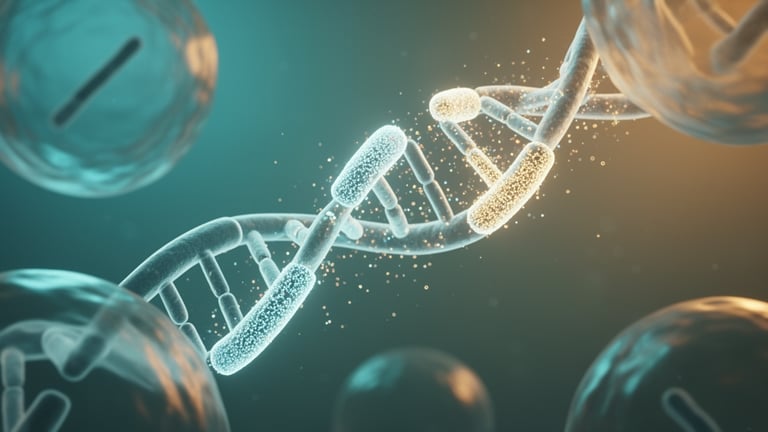

A modeling study by researchers at Georgetown University’s Lombardi Comprehensive Cancer Center and colleagues estimates that some breast cancer survivors may lose years of life to accelerated biological aging linked to chemotherapy.
The model examined women ages 30 to 79 and compared chemotherapy regimens by the cellular damage they caused; those receiving the most cytotoxic regimens were estimated to lose an average of 9.4 remaining years of life as aging-related diseases emerged earlier.
The researchers based their estimates on evidence connecting chemotherapy with blood levels of p16, a marker of cellular senescence, and noted that treatment can damage healthy tissue as well as cancer cells.
Senescent cells stop dividing but resist cell death and release molecules associated with tissue damage, inflammation and aging-related illness; chemotherapy-related biological aging may persist for years and contribute to problems such as frailty and cognitive difficulties.
The analysis modeled effects on deaths from causes other than breast cancer, not on breast cancer outcomes, and its estimates do not mean the treatment itself should be changed.
The findings have potential relevance for a large and growing survivor population: female breast cancer survivors are the largest group among America’s 18.6 million cancer survivors, and their number is projected to reach 5.3 million by January 2035, one million more than in 2025.
The researchers hope the work will spur studies of biological-age testing after treatment and help inform personalized survivorship care; physical activity and some medications may help slow accelerated aging.
Conducted through CISNET, a National Cancer Institute-supported modeling consortium, the work is expected to expand to radiotherapy, immunotherapies, targeted therapies and endocrine treatments, while adding patient-specific factors and other aging markers to improve individual estimates.
The authors emphasized that curing breast cancer must remain the priority and that treatment decisions should not be altered on the basis of these model estimates; the findings instead point to the need for greater awareness and further research into biological-age assessment in survivorship care.
Summary based on 5 sources
Get a daily email with more Science stories
Sources

The Independent • Nov 10, 2026
Chemotherapy to treat breast cancer may accelerate biological aging
News-Medical • Nov 11, 2026
Chemotherapy may accelerate biological aging in breast cancer survivors
Medical Xpress • Nov 10, 2026
Chemotherapy for breast cancer linked to accelerated biological aging
GEN - Genetic Engineering and Biotechnology News • Nov 10, 2026
How Breast Cancer Chemotherapy May Impact Biological Aging and Loss of Healthy Life Years