U.S. Funds Ibogaine Research Preparations, but Human Trials and FDA Approval Remain Uncertain
November 12, 2026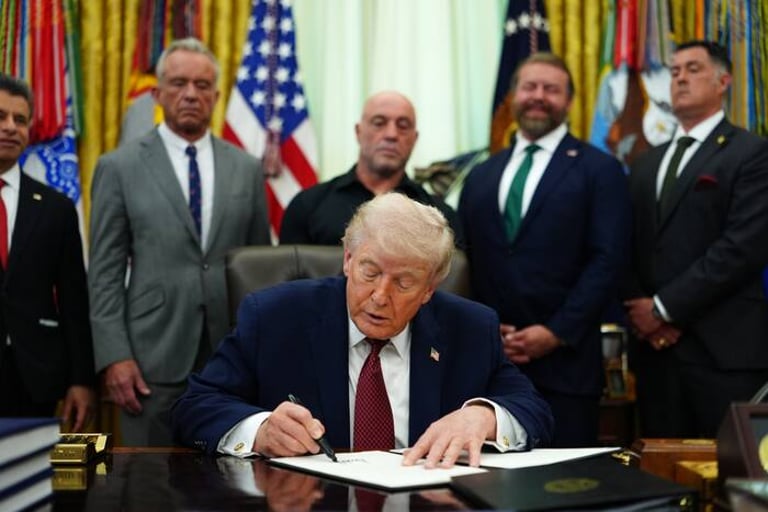


Federal officials announced two mental-health research initiatives on Nov. 12, including a push to prepare for the first U.S. studies of ibogaine for PTSD and other serious mental illnesses.
HHS is offering up to $4.9 million in ARPA-H awards over five years to lay the groundwork for ibogaine research, alongside a separate $20 million NIMH opportunity to build a network studying rapid-acting psychotropic drugs.
The ibogaine awards will support regulatory and manufacturing preparation, including clinical-grade drug production and FDA Investigational New Drug applications; individual award amounts depend on milestones and were not disclosed.
This is groundwork, not a green light for human trials: the funding does not cover patient treatment or human-subject research, authorize clinical trials, or indicate FDA approval.
The Mark Cuban Cost Plus Drug Company, PBC, will develop the regulatory, clinical, chemical, and engineering groundwork for a domestically manufactured ibogaine hydrochloride product, while Beond, Inc., will provide data and treatment guidance.
Beond sells ibogaine treatment, and its clinic records are observational rather than controlled-trial evidence; HHS says findings will be shared openly whether they show benefit, no benefit, or harm.
Large-scale clinical trials for PTSD have not been conducted, and much of the existing evidence comes from special operations veterans; researchers and advocates say studies should include a broader range of military members and veterans.
A 2024 study of 30 Special Operations veterans with traumatic brain injuries reported improvements in PTSD, depression, and anxiety after ibogaine combined with magnesium, with no cardiac complications; the small sample cannot rule out rare serious risks.
Ibogaine, a psychedelic derived from a West African shrub, remains illegal in the United States and can cause hallucinations, nausea, vomiting, tremors, and potentially fatal heart-rhythm problems.
Any future trials will require participant screening, cardiac monitoring, and independent safety oversight; the FDA has sought public input on early designs that could use small groups, step-up dosing, and a proposed starting dose of no more than 10 mg/kg.
Veterans’ advocates welcomed the research push but stressed the need for rigorous testing; Mission Roll Call CEO Jim Whaley said 75% of veterans who responded to a survey backed greater VA involvement in ibogaine trials, while 2% opposed it.
The initiatives follow Trump’s April executive order directing federal agencies to accelerate research and review of psychedelic treatments for serious mental illness.
Summary based on 13 sources
Get a daily email with more US News stories
Sources

AP News • Nov 12, 2026
Federal funding for new research on controversial psychedelic drug ibogaine | AP News
US Department of Health and Human Services • Nov 12, 2026
HHS Announces ARPA-H Awards to Advance Ibogaine Development for PTSD & New $20 Million Funding Opportunity to Advance Rapid-acting Psychotropics
Bloomberg Law • Nov 12, 2026
Trump’s HHS Launches $25 Million Psychotropic Treatment Projects
American Hospital Association | AHA News • Nov 12, 2026
HHS announces funding for development of PTSD treatment, study on emerging mental illness remedies | AHA News