Blood Protein Fragment May Help Detect Advanced CTE During Life, but Evidence Remains Preliminary
November 14, 2026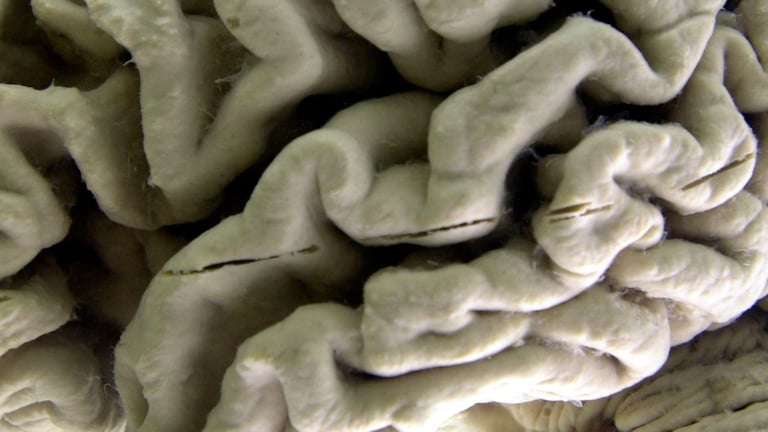


Researchers at Washington University School of Medicine in St Louis say a blood protein fragment, eMTBR-tau243, may help identify advanced chronic traumatic encephalopathy (CTE), a disease linked to repeated head trauma that can currently be confirmed only after death.
Diagnosing CTE during life is difficult because symptoms such as mood changes and memory loss overlap with other conditions; confirmation requires examining the brain after death.
The clue came from autopsy samples: a person with advanced CTE had high levels of eMTBR-tau243 despite no evidence of Alzheimer’s disease, the condition the biomarker is usually studied in relation to.
In a subsequent analysis, blood levels of the fragment were higher among people with advanced CTE than among healthy people, but the study included stored blood from only 11 people classified as having CTE.
Co-author Chihiro Sato said the marker is not a standalone diagnostic test, but could potentially point toward CTE in someone with repeated head injuries who tests negative for Alzheimer’s disease.
The findings are preliminary: Sato and outside researcher Rudolph Castellani said much larger studies are needed, since abnormal tau can occur in several brain diseases and complicate diagnosis, particularly in older adults.
If larger studies confirm the results, researchers say the blood test could help monitor people at risk and support trials of potential treatments.
The study was published in JAMA in 2026 and presented at a scientific meeting in Japan.
CTE remains a major concern in sport: a study of nearly 400 donated NFL players’ brains found evidence of the disease in 93.5%, while former rugby players diagnosed with Traumatic Encephalopathy Syndrome are involved in ongoing legal action.
As part of a CTE prevention protocol, the Professional Footballers’ Association recommended limiting professional players to 10 headers per week in training and advising that children under 12 not head the ball.
Summary based on 4 sources
Get a daily email with more US News stories
Sources

The Guardian • Nov 14, 2026
Scientists find blood biomarker that opens door to CTE diagnosis in living patients
AP News • Nov 14, 2026
Small study finds a hint that an Alzheimer’s protein may help diagnose CTE | AP News
ABC News • Nov 14, 2026
Preliminary study finds a clue in the quest to help diagnose CTE in the living
Medical Xpress • Nov 14, 2026
Preliminary study finds a clue in the quest to help diagnose CTE in the living