Iraq War's Lasting Impact: Sectarian Strife, Extremism, and Shift in Middle East Power Dynamics
June 14, 2025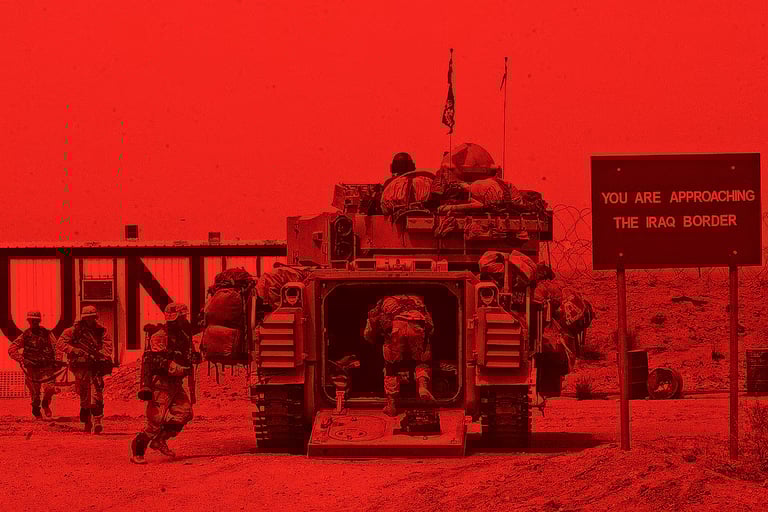

The Iraq War, which began on March 20, 2003, fundamentally reshaped the Middle East and continues to have lasting effects on regional politics and society.
The media's role in the lead-up to the Iraq War, often uncritically echoing official narratives, raises concerns about journalistic integrity and accountability, paralleling contemporary reporting on conflicts.
The 2011 Arab uprisings were initially perceived as a wave of democratic reform, but many movements faced repression by authoritarian regimes supported by foreign powers.
The consequences of the Iraq War have eroded trust in international legal norms, as seen in the U.S. and its allies' responses to conflicts in Gaza, echoing earlier criticisms of their Iraq strategy.
As a result of the U.S. invasion, Iran gained significant influence in Iraq, altering the regional balance of power and leading to the emergence of the so-called 'Shiite Crescent'.
The war's legacy includes significant humanitarian crises, with millions of refugees fleeing conflicts in Iraq and Syria, which have impacted neighboring countries and Europe.
The invasion dismantled Iraq's military and civil structures, creating a power vacuum that fueled sectarian conflict and gave rise to extremist groups like ISIS.
Since 2000, there have been two wars between Israel and Hezbollah, with significant escalations in violence, particularly following the October 7, 2023 attack by Hamas on Israel.
Conflicts have also erupted in Libya and Syria, where local militias fought both government forces and each other, while Yemen descended into civil war exacerbated by foreign interventions from Saudi Arabia and the UAE.
The U.S. military's actions during the war, including war crimes and abuses at places like Abu Ghraib, starkly contrasted with its proclaimed mission of liberation, exposing deep contradictions in American foreign policy.
Colin Powell's February 2003 speech at the UN presented unfounded claims about Iraq's weapons of mass destruction, leading to a controversial invasion that lacked UN approval.
Summary based on 1 source
Get a daily email with more Middle East News stories
Source
The Globe and Mail • Jun 14, 2025
The Iraq war may have ended, but its lingering impact – on the Middle East and beyond – has not