Iran’s Trade Routes Choked by U.S. Blockade, Sending Costs and Inflation Soaring
November 24, 2026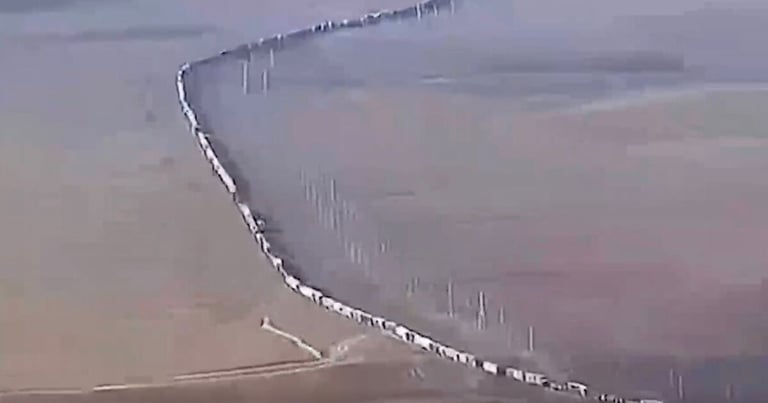

The government has introduced rolling blackouts as it struggles to supply fuel to power plants, with outages potentially reaching two hours a day if colder weather deepens.
Medicine supplies are also under strain, delaying the flu-vaccine rollout; Mohammad-Reza Zafarghandi said imported pharmaceutical materials now cost more and that 16 drug factories and more than 70 hospitals had been hit during the war.
A U.S. naval blockade of Iranian ports has sharply disrupted maritime trade, forcing imports onto congested overland routes and leaving about 1,200 Iran-bound trucks in a 26-mile queue at the Yalama crossing between Kazakhstan and Uzbekistan.
Cargo once shipped by sea is being rerouted through Kazakhstan, Uzbekistan, Pakistan, Turkmenistan and Turkey, but these routes cannot handle the volume; queues and delays have also been reported at crossings with Turkey and Pakistan.
The shift is dramatically more expensive: shipping a container from China costs about $12,000 by land versus $3,000 by sea, and Majidreza Hariri estimated the change has added roughly $18 billion to Iran’s trade costs.
Drivers report waits of days or weeks and worsening conditions, including a five-day queue and truckers living in their cabs without access to toilets or showers.
The U.S. is also seeking to constrain land trade: Washington has pressed Baghdad to reduce commercial truck crossings, while CENTCOM launched Task Force Iron Gate to target cargo moving across Iran’s land borders and the Caspian Sea.
Maritime trade remains under pressure, with commercial shipping through the Strait of Hormuz about 65 percent below pre-conflict levels; the International Maritime Organisation reported more than 30 vessel attacks in October and at least 22 further incidents in the first three weeks of November.
Masoud Pezeshkian said the longer routes have raised import prices as Iran’s income falls because it can no longer sell oil; the government has also banned exports of tomatoes, onions and potatoes to protect domestic supplies.
The disruption is deepening Iran’s cost-of-living crisis, with urban inflation at about 84 percent year over year for an 18th consecutive month and sharp increases in prices for vegetables, dairy and rent.
Wages have remained unchanged in much of the country since the war began on February 28, compounding the pressure from shortages and rising prices.
Provincial authorities have imposed flour and bread quotas amid localized shortages, and economists warn that continued trade restrictions will mean longer import delays and further price increases.
Summary based on 3 sources
Get a daily email with more World News stories
Sources
The Independent • Nov 24, 2026
Hundreds of lorries stuck in 26-mile traffic jam on Iranian border as US naval blockade chokes off imports
The Telegraph • Nov 23, 2026
The 26-mile queue that shows crushing pressure building on Iran
Daily Express US • Nov 24, 2026
Insane video shows 1,200 trucks in 26-mile traffic jam in Iran as war strangles economy