Breakthrough Pain Relief: New Cannabis-Based Compound Offers Non-Addictive Alternative to Opioids
March 6, 2025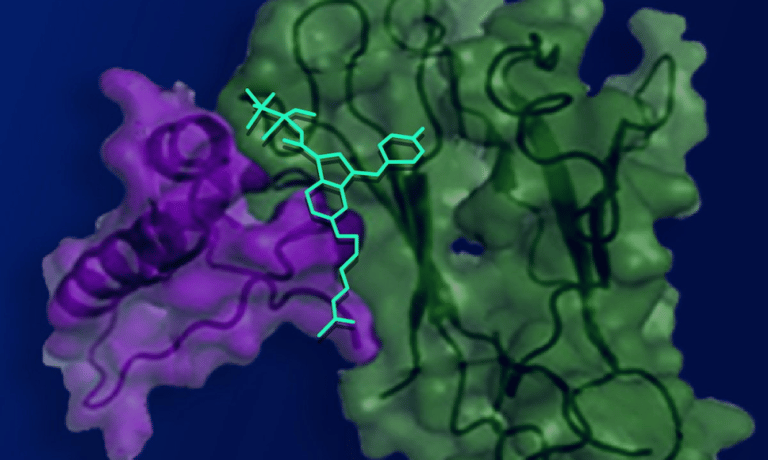

In mouse models, the modified compound demonstrated significant pain relief by eliminating touch hypersensitivity, showing effectiveness without the development of tolerance after repeated doses over nine days.
The researchers are planning to further develop this compound into an oral medication for future clinical trials.
Scientists at Washington University School of Medicine and Stanford University have developed a new compound that provides pain relief similar to cannabis but without the psychoactive side effects.
Sophisticated computational modeling revealed a hidden pocket on the cannabinoid receptor that allows the new compound to bind in a way that reduces tolerance development, a significant improvement over conventional treatments.
Current opioid treatments dull pain by affecting the brain's reward system and releasing dopamine, which contributes to their addictive nature, unlike the new compound that does not engage this system.
This innovative compound mimics a natural molecule from cannabis, specifically designed to attach to pain-reducing receptors in the body while avoiding the brain, thus eliminating addiction and mood changes.
With chronic pain affecting approximately 50 million people in the U.S., this compound aims to serve as a non-addictive alternative to opioids, which were linked to over 82,000 overdose deaths in 2022.
Despite cannabis's historical use for pain management, its psychoactive side effects have hindered its acceptance as a viable treatment option.
Dr. Susruta Majumdar, who has focused on non-addictive pain treatments for the past 15 years, emphasized the urgent need for alternatives to traditional opioids.
The research team designed a positively charged cannabinoid molecule that cannot cross the blood-brain barrier, enabling it to engage with cannabinoid receptor one (CB1) on pain-sensing nerves without affecting the brain.
Summary based on 2 sources
Get a daily email with more Science stories
Sources

ScienceDaily • Mar 5, 2025
Compound harnesses cannabis' pain-relieving properties without side effects
Talker • Mar 5, 2025
This has pain-relieving properties of cannabis without side effects