Study Links Low Fish Intake to Reduced Prosocial Behavior in Children, Urges Parents to Follow Seafood Guidelines
March 11, 2025

A recent study from the University of Bristol highlights a concerning link between seafood consumption and children's social behavior, revealing that those who eat less fish at age seven tend to show less prosocial behavior at ages seven and nine.
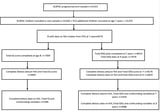
The research, which tracked nearly 6,000 children as part of the Avon Longitudinal Study of Parents and Children (ALSPAC), found significant correlations between seafood intake and positive social interactions such as sharing and helping.
Key nutrients found in seafood, including omega-3 fatty acids, iodine, and selenium, are essential for children's brain and behavioral health, with the NHS recommending at least two portions of fish weekly, including one oily fish.
However, the study revealed that nearly all children involved did not meet these seafood intake recommendations, which may be influenced by parental concerns about pollutants like mercury in fish.
Despite these concerns, experts argue that the benefits of seafood consumption, particularly for child development, outweigh the potential risks associated with mercury exposure.
Dr. Caroline Taylor, a lead researcher in the study, emphasized the importance of fish consumption for child development and urged parents to adhere to NHS guidelines for seafood intake.
The development of prosocial behavior, which typically begins between ages one and two, is crucial for societal functioning and is significantly influenced by early nutrition.
Prosocial behavior encompasses friendly interactions, altruism, and sharing, all of which are essential for a well-functioning society.
The study utilized data from the Children of the 90s project, which has tracked the health of children and their families since the early 1990s and has received substantial funding to continue its research.
This research contributes to the limited body of work on childhood seafood consumption, filling a gap that previous studies primarily focused on maternal intake during pregnancy.
Interestingly, fish fingers and similar products accounted for 46% of the average seafood intake among the surveyed children, indicating a reliance on processed seafood options.
The ongoing Children of the 90s study, initiated by Professor Jean Golding, has produced over 3,000 research papers and continues to explore health outcomes into the third generation of participants.
Summary based on 4 sources
Get a daily email with more Science stories
Sources

ScienceDaily • Mar 11, 2025
Children who lack fish in their diets are less sociable and kind, study finds
The Mirror • Mar 11, 2025
Kids who eat more fish 'develop better social skills' as docs name ideal amount
Neuroscience News • Mar 11, 2025
Eating Seafood Linked to Kinder, More Socially Skilled Young Children - Neuroscience News