New Fluorescent Biosensor Unveils Single-Cell Immune Responses to Aberrant DNA
March 20, 2025

Researchers led by Sergio P. Acebrón have developed a novel fluorescent biosensor that enables visualization of immune responses to aberrant DNA at the single-cell level, as detailed in their study published in The EMBO Journal.
This innovative biosensor represents a significant advancement in understanding the innate immune response in complex biological models, addressing a critical gap in the ability to visualize these processes.
The biosensor captures the dynamics of responses to cGAMP, an important intracellular and extracellular messenger, by utilizing the interaction between activated STING and IRF3.
The study focuses on a molecular pathway involving proteins cGAS, STING, and IRF3, which detects aberrant DNA outside of cellular compartments and alerts immune cells.
The cGAS protein acts as a DNA detector, alerting the immune system to infections, cell death, and cancer transformation.
Tumor development often results from errors in chromosome segregation, leading to genomic DNA outside the nucleus that fails to activate the immune response through STING due to histone packing.
The study found that missegregated chromosomes do not trigger the STING-mediated immune response, complicating the targeting of chromosomally unstable tumors in clinical trials.
The research highlights that downregulation of the cGAS-STING pathway contributes to immune evasion in viruses and cancer, while aberrant upregulation is linked to autoimmune diseases.
This pathway plays a crucial role in combating cellular transformation and death, as well as responding to foreign DNA from infections.
The biosensor allows researchers to study responses to Herpes virus infection and mitochondrial DNA release due to apoptosis, enhancing our understanding of immune dynamics.
The lack of biological reporters has previously limited research on these immune responses, underscoring the need for innovative tools like this biosensor.
The study was conducted by a research group from UPV/EHU and the University of Heidelberg, funded by the Ikerbasque Foundation, Boehringer Ingelheim Fonds, and Heidelberg University's excellence program.
Summary based on 2 sources
Get a daily email with more Science stories
Sources

EurekAlert! • Mar 19, 2025
Illuminating the immune response to aberrant DNA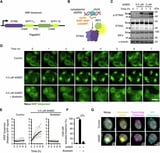
Medical Xpress • Mar 19, 2025
Illuminating the immune response to aberrant DNA