22-Year Study Reveals Elephant Movement Secrets, Aiding Conservation Amid Climate Change Challenges
March 26, 2025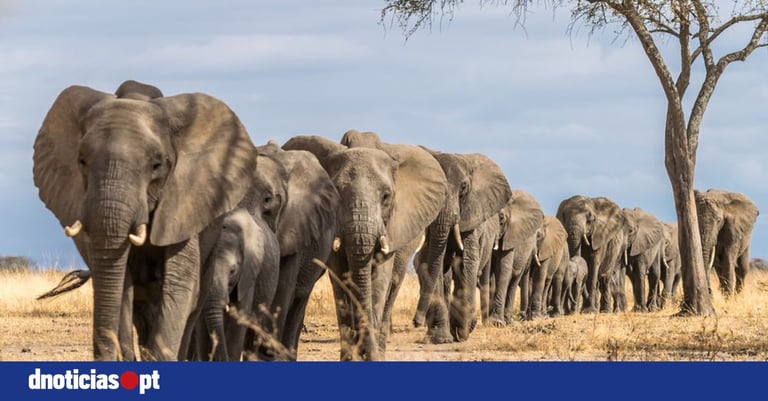

While water sources significantly influence elephant movement, individual responses vary, with some elephants remaining close to water and others traveling farther, highlighting the complexity of their decision-making.
This research underscores the necessity for conservation strategies to account for individual habitat preferences, particularly concerning access to water.
The results also provide insights into how elephant movements may adapt to climate change, potentially affecting energy costs and resource availability.
Lead researcher Dr. Emilio Berti emphasized the study's importance for conservation planning, particularly regarding the establishment of dispersal corridors and understanding the energy costs associated with movement.
Given that African elephants must consume around 330 pounds of vegetation daily for survival, their ability to efficiently find food is crucial for their well-being.
Future research aims to refine energy landscape models by incorporating seasonal changes, human impacts, and climate change effects on elephant movements.
A comprehensive study conducted over 22 years, from 1998 to 2020, tracked 157 elephants in northern Kenya using GPS data, revealing critical insights into their movement patterns.
Utilizing an innovative modeling method called ENERSCAPE, researchers estimated energy costs based on body mass and terrain slope, integrating satellite data on vegetation and water availability.
The findings from this research have significant implications for wildlife conservation, aiding in the design of protected areas and migration corridors while predicting how climate change may affect elephant movements.
The study indicates that 94% of elephants avoid steep slopes and rough terrain, demonstrating a strong preference for energy-efficient travel.
Additionally, 93% of elephants prefer areas with higher vegetation productivity, opting to move towards resource-rich environments.
To analyze how elephants choose their paths, the study employed statistical methods, including step-selection functions, which compared visited locations with nearby alternatives to identify key environmental factors.
Summary based on 4 sources
Get a daily email with more Science stories
Sources

ScienceDaily • Mar 26, 2025
How elephants plan their journeys: New study reveals energy-saving strategies
Popular Science • Mar 26, 2025
Elephants avoid wasting energy during their epic journeys
Mirage News • Mar 26, 2025
Elephants' Journey Plans: Study Reveals Energy Tactics