Affordable Diabetes Drug Metformin Shows Promise in Preventing Deadly Blood Cancer AML
April 16, 2025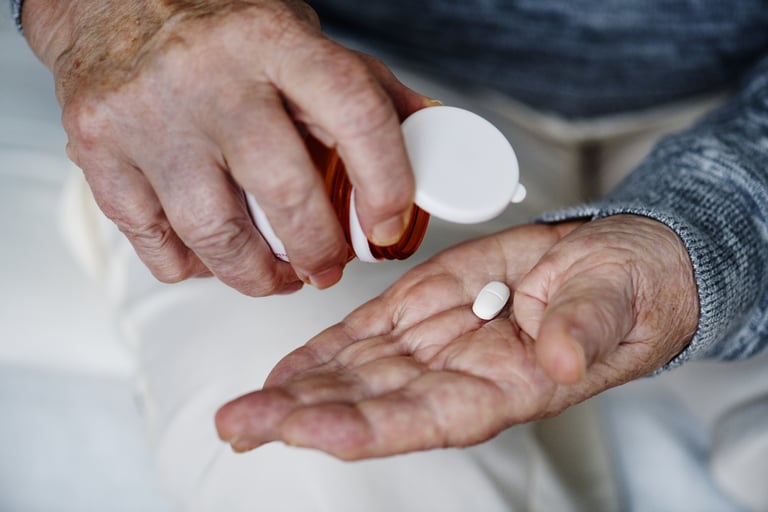

A recent study from researchers at the University of Cambridge suggests that metformin, a widely used diabetes medication costing just 35p per pill, may help prevent acute myeloid leukaemia (AML), a deadly blood cancer.
Experts believe that metformin could serve as a low-cost preventive option for AML, particularly since there are currently no effective treatments to halt its progression once the disease develops.
The study, funded by organizations such as Blood Cancer UK and Cancer Research UK, was published in the journal Nature on April 16, 2025.
The research focused on the DNMT3A gene mutation, which is responsible for 10-15% of AML cases, and aimed to find ways to prevent abnormal blood stem cells from developing into cancer.
Findings revealed that blood stem cells with the DNMT3A mutation rely heavily on mitochondrial metabolism, making them particularly vulnerable to drugs like metformin that target this process.
Experiments demonstrated that metformin significantly slowed the growth of mutation-bearing blood cells in both mice and human samples, indicating its potential effectiveness.
Next steps include clinical trials to test metformin's effectiveness in individuals at high risk for AML, leveraging its established safety profile to expedite the introduction of new preventive therapies.
Data from over 412,000 UK Biobank participants suggested that those taking metformin were less likely to exhibit changes in the DNMT3A gene, reinforcing the drug's potential protective effect.
Researchers found that metformin disrupts the disease process by impairing energy production in pre-cancerous cells, thereby preventing their progression into leukemia.
Dr. Rubina Ahmed from Blood Cancer UK emphasized the urgent need for better AML treatments, as the disease has a low five-year survival rate of only about 20%.
AML is particularly lethal, killing approximately four out of five patients within five years of diagnosis, with around 3,100 new cases reported annually in the UK.
This breakthrough in drug repurposing could pave the way for new cancer prevention strategies, offering life-saving options for vulnerable populations.
Summary based on 4 sources
Get a daily email with more Science stories
Sources
Nature • Apr 16, 2025
Age-related blood condition counteracted with a common diabetes drug
Daily Mail • Apr 16, 2025
Millions who take cheap, common drug could be protected from deadly type of cancer
University of Cambridge • Apr 17, 2025
Mouse study suggests a common diabetes drug may prevent leukaemia
Medical Daily • Apr 17, 2025
Repurposing Breakthrough: Diabetic Drug Taken By Millions May Prevent Blood Cancer