DNA Study Confirms Picuris Pueblo's Ancestral Ties to Ancient Chaco Canyon Residents
April 30, 2025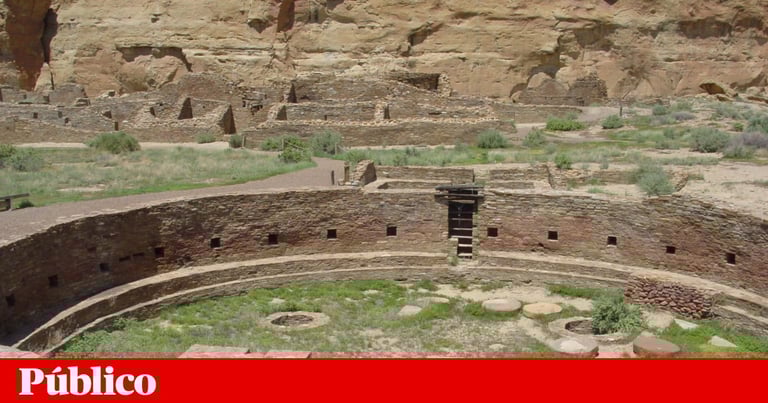

Importantly, the study did not analyze modern DNA from other Pueblo communities, and its findings do not dispute the historical connections of other tribes to Chaco Canyon.
Recent DNA analysis has established a genetic link between modern members of the Picuris Pueblo tribe and the ancient inhabitants of Pueblo Bonito in New Mexico's Chaco Canyon, affirming a close ancestral connection.
Craig Quanchello, the tribe's lieutenant governor, expressed that the tribe has often felt 'overlooked and erased' in discussions about their heritage, emphasizing the importance of their oral histories.
This study is notable as it marks the first instance of a federally recognized Indigenous tribe leading a DNA study to support their historical narratives.
The Picuris tribe maintained control over the DNA data and the research parameters, ensuring that their voices were central to the study, contrasting with past controversies over genetic data releases.
Thomaz Pinotti, the geneticist leading the study, highlighted that while traditional knowledge already recognized this connection, genomic evidence was sought to bolster preservation efforts.
The research was initiated by members of the Picuris Pueblo and involved collaboration with archaeologists and DNA specialists from the University of Copenhagen.
Findings from the research provide insights into the complex population dynamics in the Southwestern U.S., particularly regarding the migrations and interrelations among various Indigenous groups.
The research challenges previous theories that suggested a population collapse in the region prior to European colonization, indicating that Picuris ancestors maintained a stable presence after Chaco's abandonment.
Frustrated by a lack of government attention to their ancestral claims, Picuris leaders initiated the DNA study to assert their cultural identity and advocate for the protection of their heritage.
This research aligns with a growing trend of collaborations between scientists and Indigenous communities, emphasizing the need for respectful dialogue and the integration of traditional knowledge.
Quanchello expressed that the DNA findings validate the tribe's long-held beliefs about their history and presence in the area, providing emotional significance to the community.
Summary based on 9 sources
Get a daily email with more Science stories
Sources
The Washington Post • Apr 30, 2025
A tiny tribe wanted to shape the future of a famed canyon. Ancient DNA helped.
Nature • Apr 30, 2025
Picuris Pueblo oral history and genomics reveal continuity in US Southwest
Nature • Apr 30, 2025
Indigenous American tribe’s ancestral history confirmed by genomes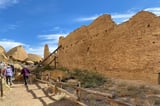
Yahoo News • Apr 30, 2025
DNA links modern Picuris Pueblo tribe to ancient New Mexico site