Breakthrough in Heart Transplant: Canrenone Extends Donor Heart Viability, Boosts Transplant Success
May 20, 2025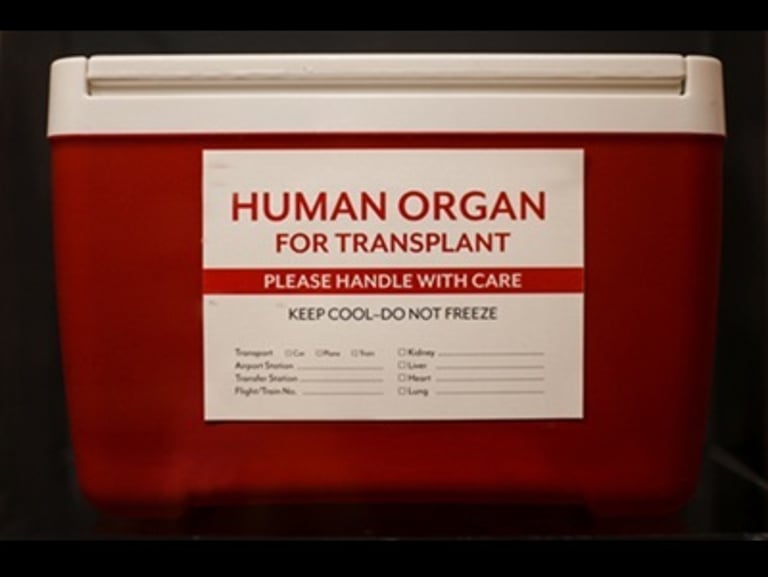

This clustering of MR proteins during cold storage results in inflammation and oxidative stress, significantly impairing the heart's pumping ability after transplantation.
The phenomenon of phase separation causes the MR to autoactivate, worsening inflammation and oxidative stress, which are key contributors to primary graft dysfunction.
In a promising development, researchers found that treating human hearts stored beyond typical preservation times with canrenone nearly tripled their pumping strength and improved blood flow.
Led by cardiac surgeon Paul Tang, M.D., Ph.D., the study was published in Nature Cardiovascular Research, emphasizing the importance of preserving donor organ quality during transport.
Canrenone, a diuretic already used for heart conditions, was injected into cold preservation solutions, preventing MR clustering and significantly improving heart function after four hours of storage.
The study highlights the role of the mineralocorticoid receptor (MR) in exacerbating cellular damage during cold storage, as it clusters and increases stress on cardiac cells.
The findings underscore the urgent need for innovations in organ preservation to enhance the quality and resilience of donor organs during transport.
These findings suggest that canrenone could extend the preservation time of donor hearts beyond current limits, potentially improving outcomes for heart transplants.
The implications of this research may extend beyond heart transplants, as similar protein clustering was observed in other organs like kidneys, lungs, and livers, indicating a potential for broader applications in organ preservation.
Researchers from Michigan Medicine and Mayo Clinic have identified a molecular process that damages donor hearts during cold storage, potentially leading to transplant failure.
Heart transplantation is a critical treatment for end-stage heart failure, yet less than half of donor hearts are utilized due to limited storage times.
When donor hearts are stored in cold conditions, they undergo cellular stress and inflammation, leading to primary graft dysfunction, which affects nearly 20% of recipients and accounts for over one-third of post-transplant deaths.
Summary based on 5 sources
Get a daily email with more Science stories
Sources

ScienceDaily • May 19, 2025
More donor hearts by extending the preservation time
Medical Xpress • May 19, 2025
Why donor hearts fail in cold storage—and how to prevent it
GEN - Genetic Engineering and Biotechnology News • May 20, 2025
Donor Heart Damage From Cold Storage May Be Prevented by Diuretic
GEN - Genetic Engineering and Biotechnology News • May 20, 2025
Donor Heart Damage from Cold Storage May Be Prevented by Diuretic