Study Unveils Bed Bugs as First True Urban Pests, Evolving with Human Settlements for 60,000 Years
May 28, 2025

Researchers have identified a gene mutation that may contribute to bed bug resistance to pesticides, and they plan to further investigate the genomic evolution of these pests.
Overall, this research sheds light on how bed bugs have existed since the time of dinosaurs, maintaining stable relationships with hosts until human societal changes altered their survival dynamics.
The research indicates that the demographic patterns of the human-associated bed bug lineage closely mirror human population growth, particularly linked to the establishment of early human settlements around 12,000 years ago in regions like Mesopotamia.
As humans transitioned from caves to larger settlements, they inadvertently transported bed bugs with them, which resulted in a reduction of genetic diversity within the human-associated lineage.
Interestingly, while bed bugs are resilient, they do not transmit diseases, and the EPA has provided guidelines for managing infestations without the need for professional pest control.
Bed bug infestations surged dramatically, with a 4,500% increase reported in Australia in 2006, and they are now found in every U.S. state, particularly in urban areas.
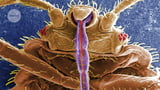
A recent study led by researchers from Virginia Tech has revealed that bed bugs may be the first true urban pests, having adapted to human environments since diverging from bat-associated lineages approximately 60,000 years ago.
Despite their specialization as feeders, the long-term survival prospects of bed bugs remain uncertain when compared to more adaptable urban pests like cockroaches.
The adaptability of bed bugs is crucial for public health, as it informs the development of epidemiological models and pest control strategies.
This study, supported by the Joseph R. and Mary W. Wilson endowment, allows researchers to delve into the evolution of species and pest control methods over the past century.
The importance of studying historical data alongside modern samples is emphasized, as it aids in understanding pest evolution and resistance mechanisms.
Bed bugs, which thrive in furniture and feed on blood, predate both rats and cockroaches as common domestic pests, and despite being nearly eradicated by DDT in the mid-20th century, they have made a significant resurgence.
Summary based on 9 sources
Get a daily email with more Science stories
Sources
Nature • May 28, 2025
Bed bugs boomed as the world’s first cities did
NBC News • May 28, 2025
Humanity's 'first true urban pest' has been biting for 60,000 years, study shows
ScienceDaily • May 28, 2025
Bed bugs are most likely the first human pest, new research shows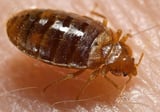
Phys.org • May 28, 2025
Bed bugs are most likely the first human pest, new research shows