Breakthrough Study Reveals 302 New Targets for Life-Saving Antifungal Drugs
June 10, 2025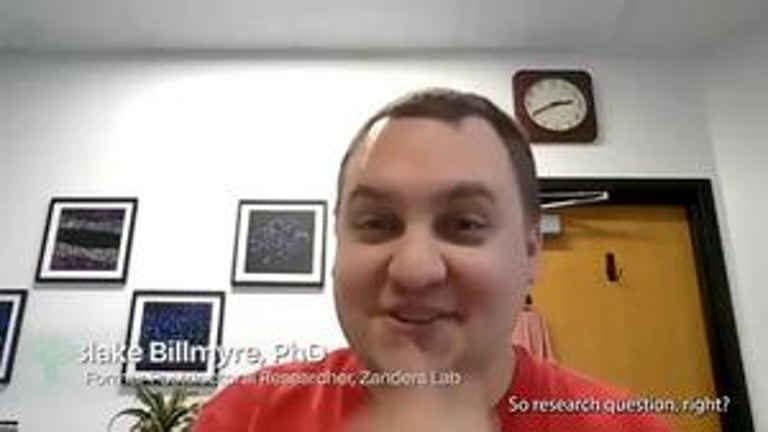

A recent study published in PLoS Biology has uncovered vulnerabilities in the lethal fungal pathogen Cryptococcus neoformans, which is responsible for nearly four million deaths annually, especially among immunocompromised individuals.
Conducted by the Stowers Institute for Medical Research and the University of Georgia, the research identified over 1,400 essential genes in C. neoformans, with more than 300 showing no similarity to human genes, indicating potential targets for new antifungal therapies.
Among the findings, researchers pinpointed 302 ideal therapeutic targets, with about 30 genes conserved across various pathogenic fungi, highlighting the potential for broad-spectrum antifungal treatments.
The study utilized an innovative technique called transposon mutagenesis sequencing (TN-seq), which allows for genome-wide identification of essential genes, significantly speeding up the drug discovery process compared to traditional methods that analyze one gene at a time.
By damaging the fungal genome with transposons, the researchers effectively mapped which genes are vital for the fungus's survival, akin to assessing bullet damage on fighter planes during WWII.
This research was supported by multiple NIH grants and institutional backing from both the University of Georgia and the Stowers Institute, underscoring the collaborative effort to advance fungal research.
The findings underscore the challenges of antifungal drug development, as genetic similarities between humans and fungi complicate the identification of fungal-specific essential genes necessary for effective treatments.
Lead author Dr. Blake Billmyre emphasized the urgent need for novel antifungal therapies, as current options are often ineffective, contributing to approximately 150,000 deaths each year, particularly among HIV patients.
Dr. Billmyre's ongoing research will also explore how fungi adapt to higher temperatures, a crucial factor in assessing their pathogenicity as global temperatures rise.
Overall, the study's findings could accelerate the drug discovery process for antifungal agents, paving the way for more effective treatments.
The research team included Caroline Craig, Joshua Lyon, Claire Reichardt, Amy Kuhn, and Michael Eickbush, with the complete study available in PLOS Biology.
Summary based on 3 sources
Get a daily email with more Science stories
Sources
Cision PR Newswire • Jun 10, 2025
New research reveals a deadly fungal pathogen's vulnerabilities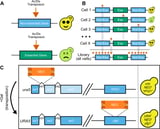
Phys.org • Jun 10, 2025
More than 300 potential targets uncovered for new antifungal drugs
EurekAlert! • Jun 10, 2025
New research reveals a deadly fungal pathogen’s vulnerabilities