Deadly Fungus Threatens U.S. Health Amid Rising Temperatures, WHO Declares 'Critical Priority'
June 16, 2025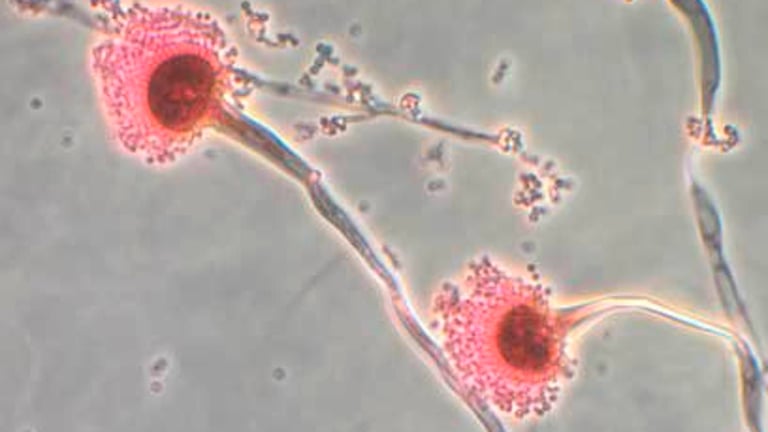

A rapidly spreading lethal fungus, Aspergillus fumigatus, poses a significant health risk across the U.S., particularly as temperatures rise.
This fungus thrives in warm, humid environments, with high exposure levels reported in states like Florida, Louisiana, Texas, Georgia, and California, as well as in densely populated urban areas.
The World Health Organization has declared Aspergillus fumigatus a 'critical priority' due to its high mortality rates and the growing risk of untreatable infections.
Aspergillus fumigatus can cause aspergillosis, a serious lung infection that can lead to organ failure and death, especially in individuals with weakened immune systems.
Healthcare professionals advise immunocompromised individuals to avoid exposure to soil and mold, wear protective masks in dusty environments, and improve air circulation in their living spaces.
The overuse of azole drugs in agriculture is contributing to the development of drug-resistant strains of Aspergillus fumigatus, complicating treatment options.
Future projections indicate that if fossil fuel use continues, the fungus could expand by over 75% by 2100, increasing risks in the southern U.S.
Aspergillosis is not a reportable disease in the U.S., leading to challenges in tracking infection rates and mortality associated with the fungus.
Between 2000 and 2013, hospitalizations for invasive aspergillosis increased by approximately 3% annually, with nearly 15,000 hospital stays recorded by 2014, costing around $1.2 billion.
Chronic pulmonary aspergillosis affects around 400,000 individuals annually, with invasive cases being more lethal, particularly for organ transplant patients.
Aspergillus fumigatus produces aflatoxin, a potent carcinogen linked to various cancers and organ disorders.
The spores of Aspergillus fumigatus are tiny and easily inhaled, making detection challenging and allowing the fungus to potentially spread to other organs.
Summary based on 3 sources
Get a daily email with more Science stories
Sources


Hindustan Times • Jun 16, 2025
Deadly fungus in US threatens lives as infection rates rise in These seven states | World News - Hindustan Times