Asthma Drug Zileuton Shows Promise in Preventing Severe Allergic Reactions, New Trials on Horizon
August 7, 2025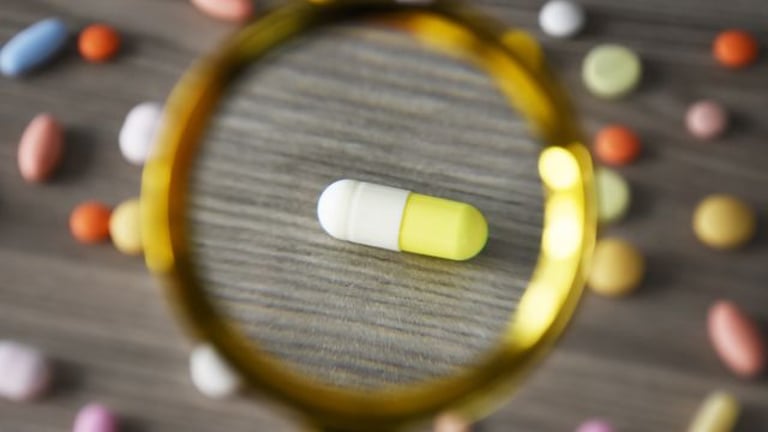

A recent study has revealed that the asthma medication zileuton can effectively prevent severe allergic reactions, specifically anaphylaxis, in mice by blocking food allergens from entering the bloodstream.
Following promising results in animal testing, researchers are set to begin a clinical trial to assess zileuton's effectiveness in humans, potentially offering a preventive option for individuals at risk of food allergies.
This study suggests a paradigm shift in food allergy treatment, moving from targeting immune responses to focusing on mechanisms of gut absorption.
Dr. Stephanie Eisenbarth highlighted that this innovative approach to treating food allergies could provide essential protection for individuals, particularly in unpredictable environments like social gatherings or flights.
The findings also shed light on why some individuals test positive for food allergies without exhibiting symptoms, indicating a new area for future research into food allergy development.
Immunologist Adam Williams expressed optimism regarding the rapid advancements in allergy research, suggesting that significant breakthroughs may be imminent.
While epinephrine is currently used to treat anaphylaxis after it occurs, researchers stress the importance of developing preventive treatments.
Food allergies currently affect over 33 million people in the US, with existing treatments often limited in effectiveness and sometimes capable of triggering anaphylaxis themselves.
Jorge Emiliano Gómez Medellín from the University of Chicago noted that while zileuton may help prevent allergen absorption, it does not address the long-term sensitivity to allergens.
Zileuton, which is already approved in the United States and available on prescription in the UK, has shown significant promise in nearly eliminating allergic reactions in the tested mice.
The research has identified a gene known as Dpep1, which influences the absorption of allergens in the gut, playing a crucial role in the susceptibility to anaphylaxis.
Additionally, two studies have uncovered a previously unknown pathway in the gut that may contribute to food allergy symptoms, with the DPEP1 gene regulating leukotrienes that trigger immune responses.
Summary based on 5 sources
Get a daily email with more Science stories
Sources
Gizmodo • Aug 7, 2025
This Already-Approved Drug Could Stop Food Allergies’ Worst Reactions
New Scientist • Aug 7, 2025
Common asthma drug could prevent life-threatening allergic reactions

Science News • Aug 7, 2025
New clues emerge on how foods spark anaphylaxis