Canine Cancer Research Paves Way for Breakthrough Human Therapies
August 10, 2025

To investigate this further, researchers are utilizing silicone tags to analyze chemical exposure in dogs residing near the East Palestine derailment site, aiming to identify genetic changes associated with cancer.
In addition to their role in research, dogs act as environmental sentinels, helping to pinpoint carcinogenic chemicals in their surroundings that may pose risks to both canine and human populations.
Dogs develop cancer more rapidly than humans, which allows researchers to test new therapies and gather results much faster than traditional human clinical trials.
This collaborative research not only enhances scientific understanding but also provides dogs with advanced cancer care that may not be available to them otherwise.
Ultimately, the study of canine cancer benefits both scientific knowledge and the health of dogs, offering advanced treatment options that support their owners as well.
Clinical trials conducted in dogs can produce results in just five years, a stark contrast to the decades often required for human trials, thereby accelerating the development of new cancer treatments.
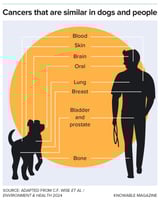
Research shows that studying dogs with cancer can offer valuable insights into human cancer, given the shared environmental exposures and similar cancer pathways between the two species.
Several cancer therapies originally developed for dogs are now being adapted for human treatment, including innovative immunotherapies and targeted drug therapies.
The application of therapies designed for dogs in human medicine highlights the cross-species benefits of this research, showcasing the potential for shared advancements.
Summary based on 2 sources