Revolutionizing Medicine: mRNA Technology Expands Beyond COVID-19 to Tackle Cancer, Genetic Disorders, and Infectious Diseases
August 10, 2025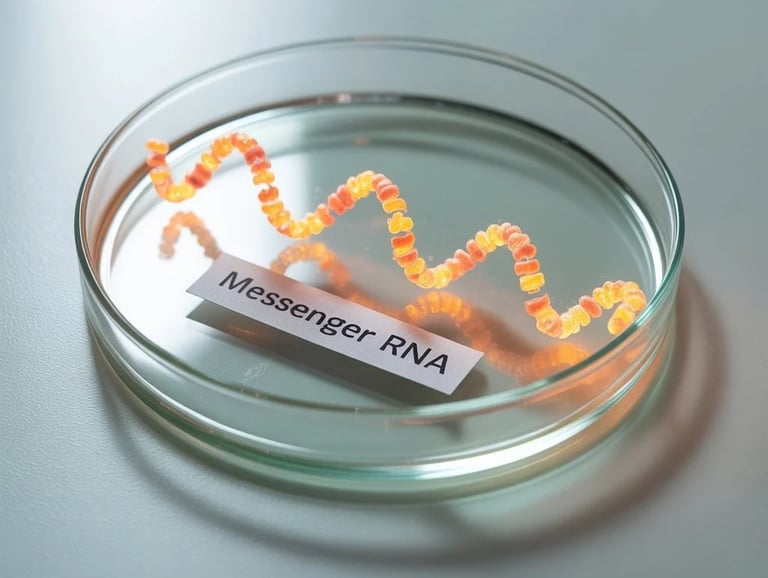

Messenger RNA (mRNA) serves as a genetic instruction molecule, enabling cells to produce proteins, which has led to rapid and versatile drug development tailored to various medical needs.
The success of mRNA vaccines during the COVID-19 pandemic, boasting around 95% efficacy, has laid the groundwork for innovative medical therapies, including cancer treatments and vaccines for other diseases.
Key breakthroughs, such as the development of lipid nanoparticles for delivery and modifications to mRNA that minimize immune reactions, have transitioned mRNA technology from experimental stages to mainstream therapeutic applications.
Looking ahead, there is a vision for combination mRNA vaccines that could streamline immunization against multiple pathogens in a single shot, simplifying vaccination protocols.
Clinical trials are currently underway for mRNA cancer vaccines targeting melanoma, breast cancer, and other types, with promising results indicating significant improvements in patient outcomes.
Beyond cancer, mRNA therapy is being explored for rare genetic diseases, offering a new approach by providing the instructions for producing missing or defective proteins within the patient's own cells.
Research is also ongoing into using mRNA to address autoimmune disorders by inducing immune tolerance, presenting a novel approach to conditions like multiple sclerosis.
Additionally, mRNA vaccines are being developed for various infectious diseases beyond COVID-19, including influenza, HIV, and RSV, with the potential for rapid updates and improved efficacy compared to traditional vaccines.
Summary based on 1 source
Get a daily email with more Science stories
Source

Macholevante • Aug 10, 2025
Beyond COVID Vaccines: The mRNA Revolution Transforming Medicine