Revolutionizing Cancer Immunotherapy: Quantum Sensors to Unlock Immune Cell Insights
December 15, 2025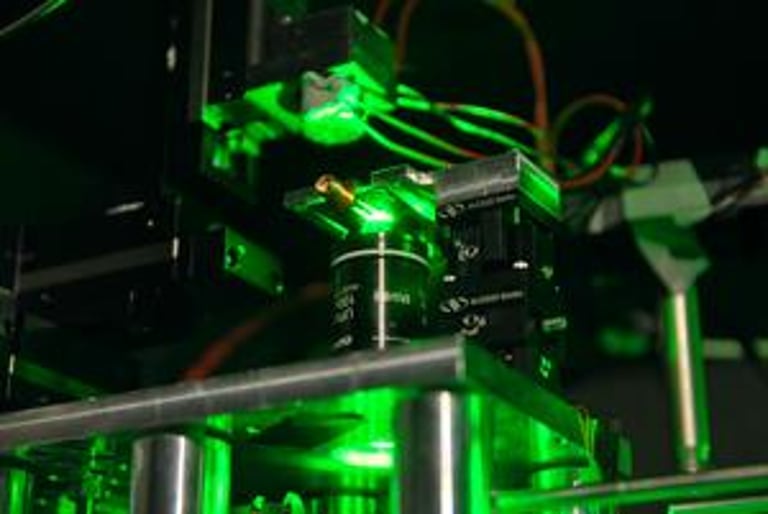

Monitoring reactive free radical production inside cells could reveal how immune cell behavior changes in the presence of cancer, guiding more effective therapeutic strategies.
Aldona Mzyk will develop and apply quantum sensors—devices that exploit quantum properties to detect extremely small molecular changes—to monitor metabolic shifts and free radical production inside cells during cancer immune interactions.
A four-year Future Leaders Fellowship from UK Research and Innovation funds a 2 million-pound project to use quantum sensing to study how immune cells engage with cancer tissue and why immunotherapies often fail in solid tumours.
The project aims to create quantum sensors the size of an electron that can detect minute changes far smaller than a human hair, enabling rapid monitoring of immune cell metabolism during cancer interaction.
The initiative aligns with the UK National Quantum Technology Programme and EPSRC’s quantum hubs, underscoring a strategic push to translate quantum sensing into medical diagnostics and therapeutics.
Dr. Mzyk, currently at DTU in Copenhagen, will join the Institute of Photonics and Quantum Sciences at Heriot-Watt University, contributing to the university’s leadership in quantum sensing and biomedical applications.
The project is positioned to advance quantum sensing in biomedical research, with claims that such sensors can detect diseases at very early stages, improving treatment outcomes.
Overall, the initiative represents a significant investment in quantum technology to enhance understanding and effectiveness of cancer immunotherapy through rapid, high-precision cellular monitoring.
Professor Cristian Bonato, PI for Heriot-Watt’s Nanoscale Quantum Sensing Facility, says the fellowship could revolutionise healthcare by enabling unprecedented single-molecule sensing and transforming medical diagnostics.
The project seeks to determine why CAR-T therapies succeed for some cancers but not others, focusing on how solid tumours affect immune cell metabolism and function to inform patient-tailored treatments and earlier drug evaluation.
Researchers aim to improve understanding of why cancer immunotherapies work for some patients but not others by observing metabolic changes in immune cells during cancer tissue interaction and treatments like CAR-T therapy.
Summary based on 2 sources
Get a daily email with more Science stories
Sources
EurekAlert! • Dec 14, 2025
Scientists to ‘spy’ on cancer- immune cell interactions using quantum technology breakthrough
Laboratory News
Researcher wins £2million for quantum tech ‘spy’ system