Revolutionary Plant-Based Plastic Dissolves in Seawater, Offers Zero-Microplastic Solution
December 17, 2025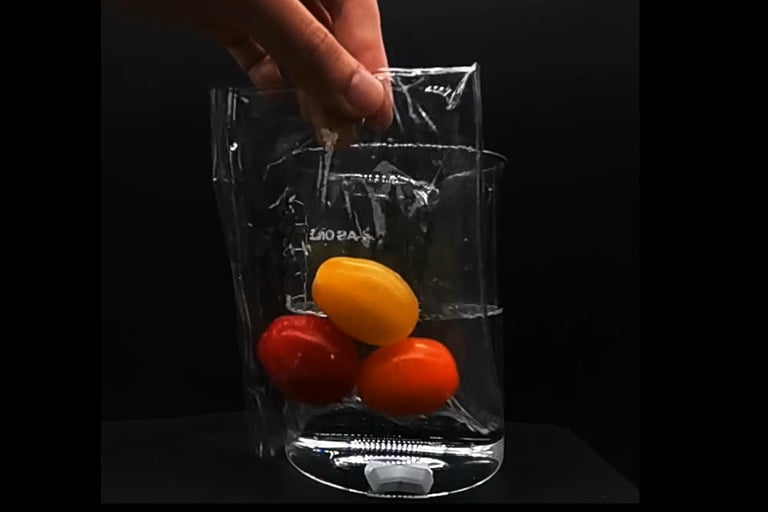

Key properties include full recyclability in a closed loop using electrolytes, tunable flexibility or rigidity, suitability for very thin films, and complete dissolution in seawater with no residues or microplastics.
The development aims to address real-world environmental concerns about plastics, microplastics, and pollution of water and food chains, not just lab demonstrations.
The material remains as strong as traditional plastics and can be modified without sacrificing transparency or dissolvability, making it a practical potential alternative.
This work builds on a 2024 saltwater-degradability breakthrough but moves toward real-world manufacturability and deployment.
Led by Takuzo Aida of RIKEN CEMS, the project emphasizes using abundant cellulose from nature as a core feedstock.
A new, plant-based plastic named CMCSP (carboxymethyl cellulose supramolecular polymer) matches conventional petroleum plastics in strength and transparency, while offering tunable mechanical properties and seawater degradability.
The broader context references prior efforts on seawater-melting recyclable plastics, indicating ongoing work toward seawater-dissolving materials and possible desalination implications.
A safe, FDA-approved crosslinking system enables rapid dissolution in marine environments, with a protective surface coating preventing premature decomposition during handling.
The same team reports a cellulose-based plastic using carboxymethylcellulose and positively charged guanidinium ions, dissolving in seawater with zero microplastics or residues.
Published in 2025 in the Journal of the American Chemical Society, the work presents a saltwater-degradable, plant-based plastic with zero microplastics.
Researchers highlight real-world impact through inexpensive, biodegradable ingredients that enable recyclability and processability, potentially reducing marine plastic pollution.
Japanese researchers at RIKEN developed a plant-based, cellulose-derived plastic that fully dissolves in seawater within hours without leaving microplastics.
Summary based on 5 sources
Get a daily email with more Science stories
Sources


designboom | architecture & design magazine • Dec 17, 2025
plant-based plastic dissolves in water in just few hours without leaving any residue
The Independent • Dec 17, 2025
Scientists invent ‘perfect plastic’ that produces zero microplastics