Ancient Roman Soldiers at Vindolanda Plagued by Parasites, Study Reveals
December 19, 2025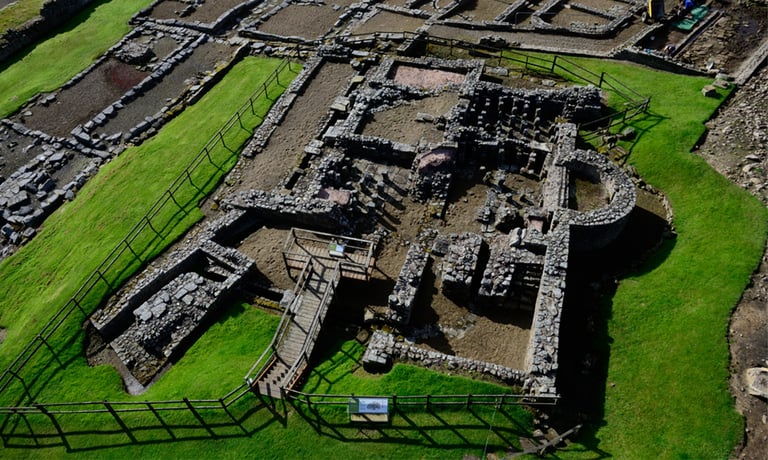

A recent study of sediment from Vindolanda’s sewer drains near Hadrian’s Wall found evidence of three intestinal parasites in Roman soldiers: roundworms, whipworms, and Giardia duodenalis, indicating poor sanitation and fecal-oral transmission.
About 28% of samples contained roundworm or whipworm eggs, and one sample even contained remnants of both species, with Giardia duodenalis detected via ELISA marking the first documentation of this parasite in Roman Britain.
Researchers collected nearly 60 sediment samples from a communal toilet drain and identified parasite eggs through microscopy and antibody-based detection methods.
A light touch accompanies the findings: a quip about preferring beer to water while hypothetically traveling back in time adds a human note.
Researchers note that while Roman sanitation infrastructure aimed to reduce odor and improve cleanliness, it did not prevent infectious diseases due to a lack of microscopic understanding at the time.
The piece contrasts perceived Roman sanitation with real health challenges faced by Vindolanda soldiers, highlighting limits of ancient public health knowledge.
Co-author notes that pre-Roman British sites have not been systematically tested for Giardia, leaving questions about its historical prevalence in the UK.
Experts emphasize that ancient parasite studies illuminate how pathogens varied with lifestyle and underscore the enduring hardships of Roman frontier life.
The study provides insight into ancient pathogens, their variation with lifestyle, and how they affected soldier fitness and daily life nearly two millennia ago.
Vindolanda’s archaeological significance includes its tablet finds and a long tradition of exploration—from antiquarian observations to systematic excavations starting in the 1930s.
The findings contribute to a broader understanding of health and disease in Roman Britain and align with similar fecal-oral parasite evidence at other Roman military sites across Europe.
Vindolanda’s parasite pattern aligns with other Roman sites showing fecal-oral parasites, though larger urban centers like London and York show more diverse parasite profiles.
Summary based on 7 sources
Get a daily email with more Science stories
Sources
Ars Technica • Dec 19, 2025
Parasites plagued Roman soldiers at Hadrian’s Wall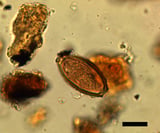
Phys.org • Dec 19, 2025
Roman soldiers defending Hadrian's Wall were infected by parasites, study finds
New Scientist • Dec 18, 2025
Roman soldiers defending Hadrian’s Wall had intestinal parasites