Urgent Call for Global Action: Tackle Microplastic Risks in Bottled Water and Improve Infrastructure
December 29, 2025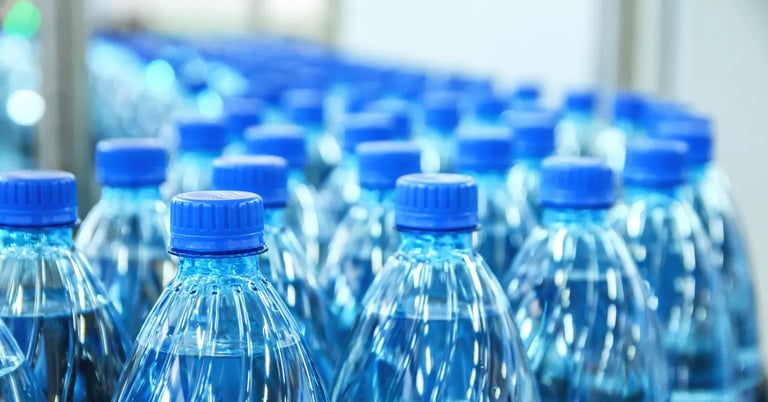


The main takeaway is the urgent need to improve water infrastructure and public access to safe drinking water, while reducing reliance on single-use plastics, paired with ongoing research into the health and environmental impacts of nano- and microplastics in bottled water.
A call for standardized global testing to identify particle composition and tighten regulation of nano- and microplastics in bottled water, alongside regulatory measures and a shift toward sustainable water access solutions.
Potential health risks from microplastic ingestion include chronic inflammation, oxidative stress, hormonal disruption, neurological and reproductive impacts, and an elevated cancer risk, though long-term effects remain uncertain due to gaps in data.
Ingested microplastics can enter the bloodstream and accumulate in organs, potentially triggering systemic inflammation and multisystem effects, with the full picture still unclear due to testing limitations.
Concordia University researcher Sajedi centers the study on health risks from microplastics in plastic bottles, drawing on early experiences in the field to shape her focus.
The piece underscores the precautionary principle and urges urgent, coordinated global action to reduce exposure even as epidemiological data are still incomplete.
Existing detection tools can spot very small particles but often miss material composition, highlighting the need for improved methods to assess risk.
A review of over 140 studies highlights the lack of standardized global testing for identifying particle composition and accurately quantifying microplastics in humans.
Regional context highlights Monterrey, Mexico, as an example of water scarcity and high bottled-water use that amplifies plastic-waste exposure risks.
Key exposure routes include ingestion, with water—especially bottled water—being the primary conduit alongside inhalation and, to a lesser extent, dermal contact.
Ingestion estimates suggest people consume tens of thousands of microplastic particles per year, with bottled water users facing substantially higher exposure due to daily consumption.
Microplastics have entered the global food chain, with beverages, seafood, salt, honey, and beer identified as exposure sources, and bottled water significantly increasing risk.
Summary based on 4 sources
Get a daily email with more World News stories
Sources
Express.co.uk • Dec 29, 2025
Anyone who drinks water every day issued warning - ‘not safe'
Smart Water Magazine • Dec 23, 2025
Microplastics in the food chain: A silent threat to public health
MyNewsGh • Dec 29, 2025
Why drinking plastic bottled water daily is now a major health risk – Research reveals