Breakthrough in CRISPR: Cas12a3 Enables Rapid Multi-Pathogen Detection and Viral Protein Suppression
January 7, 2026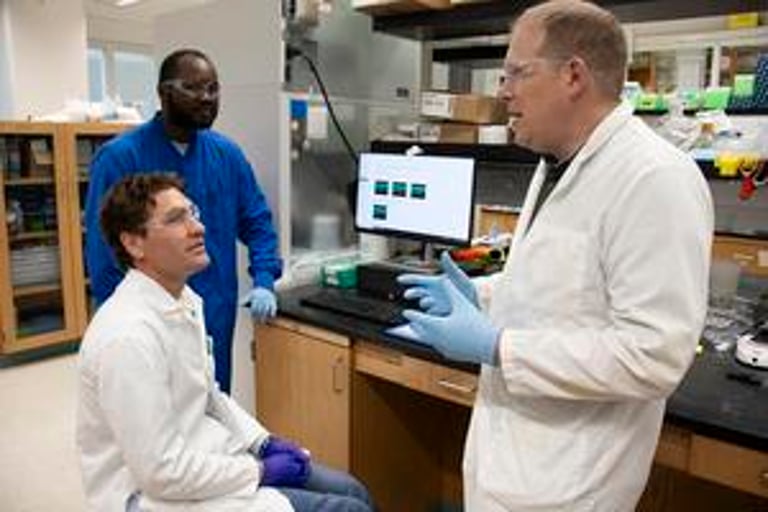

Cas12a3 uniquely cleaves the 3′ tail of tRNAs, effectively halting viral protein production and enabling rapid, pathogen‑specific interference in protein synthesis for multi‑pathogen detection.
The Nature article is Oleg Dmytrenko et al., ‘RNA-triggered Cas12a3 cleaves tRNA tails to execute bacterial immunity,’ with DOI 10.1038/s41586-025-09852-9.
Nature findings describe Cas12a3’s ability to cleave tRNA tails to stop viral protein production while leaving host DNA intact, enabling targeted pathogen action.
Key collaborators span Europe and beyond, including the Helmholtz Institute for RNA-based Infection Research, Helmholtz Center for Infection Research, Jagiellonian University, University of Strasbourg, Freie University, Robert Koch Institute, University of Veterinary Medicine Austria, and Institute of Science and Technology Austria.
In a landmark advance for CRISPR diagnostics, researchers show that Cas12a3 can be paired with other nucleases to detect RNAs from influenza, RSV, and SARS‑CoV‑2, paving the way for faster, point‑of‑care testing.
The Utah State University team, led by Ryan Jackson with students Kadin Crosby and Bamidele Filani, studies Cas12a2 and Cas12a3, which target RNA directly rather than DNA like Cas9.
The study was conducted at Utah State University with international collaborators and authors, including doctoral and master’s students, and the findings were published in Nature.
The discovery arose from work at the Helmholtz Institute for RNA-based Infection Research and collaborators, with confirmation in Nature and a focus on a distinct tRNA loading domain that positions the tRNA‑3′ tail for cleavage.
Cas12a3 is part of the Cas12a family but shows a precise, tRNA‑tail–specific cleavage, in contrast to Cas12a2’s broader activity.
Cas12a3 uses an RNA guide to recognize foreign RNA and trigger a conformational change that enables targeted tRNA tail cleavage.
Funding for the research comes from the R. Gaurth Hansen Family and the National Institutes of Health, and related patent activity is noted in COI statements.
Summary based on 3 sources
Get a daily email with more Science stories
Sources
Phys.org • Jan 7, 2026
CRISPR discovery could lead to single diagnostic test for COVID, flu, RSV
EurekAlert! • Jan 7, 2026
USU chemists' CRISPR discovery could lead to single diagnostic test for COVID, flu, RSV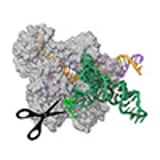
Nanowerk • Jan 7, 2026
Beyond gene scissors: New CRISPR mechanism discovered